Calories are one of the simplest ways to describe the energy we get from food and beverages, yet understanding them in everyday life can sometimes feel complicated. Different foods contain different amounts of energy, and the way a food is prepared can change its calorie content considerably. Portion size also plays an important role, since eating more of a food naturally increases the total energy consumed.
Learning about calories does not mean that every meal needs to be measured or that favorite foods must be avoided. Instead, calorie awareness can help people understand their eating habits, plan balanced meals, and make informed decisions according to their individual goals.
A useful calorie guide should also recognize that calories are only one part of nutrition. Protein, fiber, vitamins, minerals, dietary fats, carbohydrates, and overall food quality are equally important when building a healthy eating pattern.
Understanding Calories in Simple Terms
Calories are a measurement of energy. The body uses this energy continuously to support essential functions and physical activity.
Your heart, brain, lungs, muscles, and other organs require energy even while you are resting. Walking, exercising, working, cleaning, shopping, and other activities increase the amount of energy your body uses.
The amount of energy required differs from one person to another. Body size, age, activity level, muscle mass, and other individual factors can influence daily calorie needs.
For this reason, there is no single number of calories that is appropriate for everyone.
Calories in Popular Fruits
Fruits can provide carbohydrates, natural sugars, fiber, water, vitamins, and minerals. They are often convenient choices for breakfast, snacks, and desserts.
A medium apple contains approximately 95 calories. A medium banana provides around 105 calories, while a medium orange contains about 62 calories.
A medium pear has approximately 100 calories, and a medium peach contains around 60 calories.
One cup of sliced mango provides roughly 100 calories. A cup of grapes contains about 104 calories, while strawberries provide approximately 49 calories per cup.
Watermelon is relatively low in calories, with about 46 calories per cup. Pineapple contains around 82 calories per cup, while papaya provides approximately 55 calories.
Fruit size can vary considerably, so these numbers should be treated as general estimates rather than exact measurements.
Calories in Common Vegetables
Vegetables are useful components of everyday meals because many varieties provide relatively few calories while adding volume, fiber, vitamins, and minerals.
A medium carrot contains around 25 calories, while a medium tomato provides approximately 22 calories. A medium cucumber contains about 30 calories.
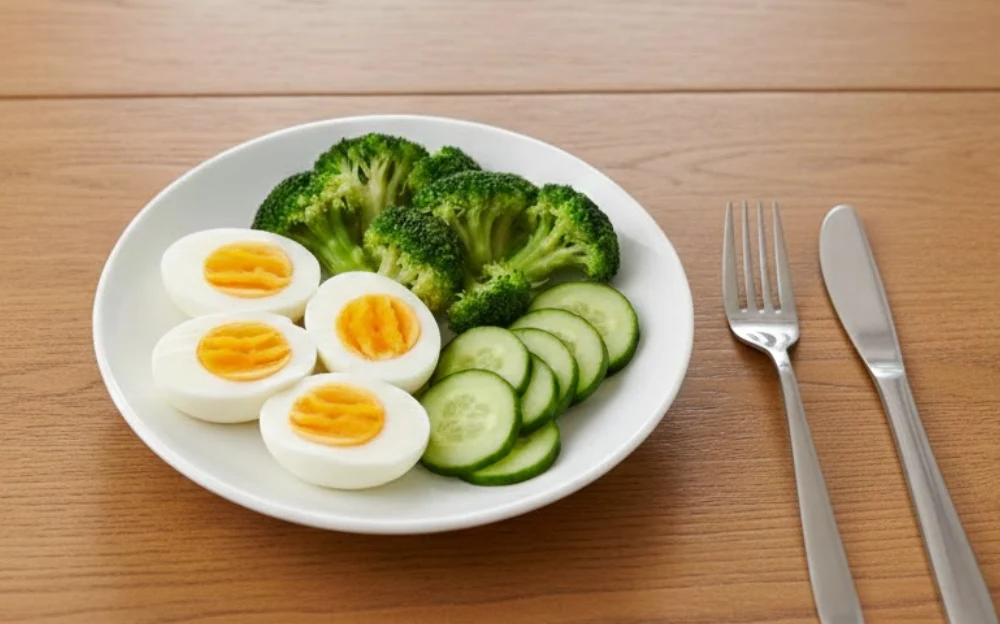
One cup of cooked broccoli contains approximately 55 calories. Cooked cauliflower provides around 29 calories per cup, while cooked spinach contains about 40 calories.
A medium bell pepper has approximately 24 calories.
Potatoes are somewhat more energy dense. A medium potato contains around 130 calories, while a medium sweet potato provides roughly 112 calories.
The preparation method can make a major difference. A boiled vegetable will generally have a different calorie value from the same vegetable fried in oil or covered with a rich sauce.
Rice and Other Grains
Rice and grains provide carbohydrates and can supply useful energy for daily activities.
One cup of cooked white rice contains approximately 205 calories. Brown rice contains around 216 calories per cooked cup.
One cup of cooked oatmeal provides approximately 150 calories, while cooked quinoa contains around 222 calories.
Barley provides about 193 calories per cooked cup, while couscous contains approximately 176 calories.
These numbers describe the basic cooked food. Adding butter, oil, cheese, sauces, or other ingredients can increase the total calorie content considerably.
The amount of water absorbed during cooking can also affect the weight and calorie concentration of cooked grains.
Bread and Other Bakery Foods
Bread products can vary greatly depending on their size, ingredients, and preparation.
A slice of white bread generally contains around 75 calories. Whole wheat bread may provide approximately 80 calories per slice, while multigrain bread can contain around 90 calories.
A medium chapati may contain approximately 120 calories. A medium naan can contain around 260 calories or more depending on its size and ingredients.
A medium bagel can provide approximately 280 calories, while a croissant may contain around 230 calories.
Restaurant portions can be larger than standard serving sizes, so calorie estimates for bakery products should always be considered approximate.
Eggs and Dairy Foods
Eggs and dairy products can provide protein along with other nutrients.
One large whole egg contains approximately 72 calories, while one large egg white contains around 17 calories.
One cup of whole milk provides approximately 149 calories. Low fat milk contains around 102 calories per cup, while skim milk provides roughly 83 calories.
Plain yogurt can contain approximately 150 calories per cup, although the exact amount depends on the type and fat content.
Greek yogurt can vary widely but may contain around 130 calories per cup for some varieties.
Cheddar cheese contains approximately 115 calories per ounce.
Flavored yogurt, cream cheese, sweetened dairy drinks, and other processed dairy products can contain additional calories from sugar and other ingredients.
Calories in Chicken and Poultry
Chicken is a common protein source and can fit into many different eating patterns.
A 100 gram serving of cooked chicken breast contains approximately 165 calories. Chicken thigh provides around 209 calories per 100 grams.
Turkey breast contains roughly 135 calories per 100 grams.
The cooking method is important. Grilled or baked chicken prepared with little added fat may have fewer calories than fried chicken covered in breading.
Sauces, marinades, butter, and cooking oils should also be considered when estimating the calories of a complete meal.
Calories in Beef and Lamb
Beef and lamb can provide protein, iron, and other nutrients, but calorie values differ depending on the cut and fat content.
Lean cooked beef may provide approximately 200 calories per 100 grams.
Ground beef can contain around 250 calories per 100 grams, although leaner varieties may have fewer calories.
Lamb can provide around 250 calories per 100 grams depending on the cut and preparation.
Visible fat and cooking methods can change the final calorie content.
Choosing leaner cuts can make it easier to control calories while still including meat in a balanced diet.
Calories in Fish and Seafood
Fish and seafood provide protein, and many varieties also contain beneficial dietary fats.
Cooked salmon contains approximately 206 calories per 100 grams.
Tuna provides around 132 calories per 100 grams, while cod contains roughly 105 calories.
Shrimp contains approximately 99 calories per 100 grams.
Sardines and mackerel are more calorie dense than some lean fish because they naturally contain more dietary fat.
Baked, steamed, and grilled seafood generally has a different calorie value from seafood that has been deep fried or served with creamy sauces.
Calories in Beans and Legumes
Beans and legumes are useful sources of plant based protein, carbohydrates, and fiber.
One cup of cooked lentils contains approximately 230 calories. Chickpeas provide around 269 calories per cooked cup.
Kidney beans contain approximately 225 calories per cup, while black beans provide around 227 calories.
Pinto beans contain roughly 245 calories per cooked cup.
These foods can be filling and versatile. They can be added to soups, salads, rice dishes, stews, wraps, and many other meals.
However, the total calorie content can increase when beans are prepared with large amounts of oil, butter, coconut milk, or fatty meats.
Calories in Nuts and Seeds
Nuts and seeds contain valuable nutrients but are relatively high in calories.
One ounce of almonds contains approximately 164 calories. Walnuts provide around 185 calories, while cashews contain about 157 calories.
Pistachios provide approximately 159 calories per ounce, and peanuts contain around 166 calories.
One ounce of chia seeds contains approximately 138 calories, while flaxseeds provide about 151 calories.
These foods can be useful additions to meals and snacks, but portion awareness is important because a small amount can provide considerable energy.
Calories in Oils and Cooking Fats
Oils and cooking fats are among the most concentrated sources of calories.
One tablespoon of olive oil contains approximately 119 calories. Vegetable oil provides around 124 calories per tablespoon.
Coconut oil contains roughly 121 calories per tablespoon, while butter provides approximately 102 calories.
Ghee contains around 112 calories per tablespoon.
Because oils are frequently added during cooking without being measured, they can contribute more calories than expected.
Measuring cooking fats occasionally can help you understand how much you are actually using.
Calories in Snacks
Snack foods can range from nutritious options to highly energy dense choices.
Three cups of air popped popcorn contain approximately 93 calories.
One ounce of potato chips provides around 152 calories, while one ounce of crackers may contain approximately 125 calories.
A typical granola bar may provide around 120 calories, although some varieties contain considerably more.
One ounce of dark chocolate contains approximately 170 calories, while milk chocolate provides around 153 calories.
Two tablespoons of hummus contain approximately 70 calories.
Snacks can be part of a balanced diet when portions and overall intake are considered.
Calories in Desserts
Desserts can vary significantly depending on their ingredients.
One cup of ice cream can contain approximately 270 calories.
A slice of chocolate cake may contain around 350 calories, while a slice of cheesecake can provide approximately 400 calories.
A medium donut may contain around 200 calories, and a brownie can provide approximately 250 calories.
These values can vary greatly according to size, recipe, frosting, fillings, and toppings.
Enjoying desserts occasionally does not automatically prevent someone from maintaining a balanced eating pattern.
Calories in Common Beverages
Beverages can contribute calories more quickly than many people realize.
Water contains no calories, while plain black coffee and unsweetened tea contain very small amounts.
One cup of orange juice provides approximately 112 calories.
A regular can of soda may contain around 150 calories, depending on the size and brand.
One cup of whole milk provides approximately 149 calories.
Sweetened tea can contain around 90 calories per cup, although heavily sweetened versions may contain more.
Specialty coffee beverages can contain considerably more calories when syrups, cream, sugar, chocolate, or whipped toppings are included.
Why Portion Size Matters
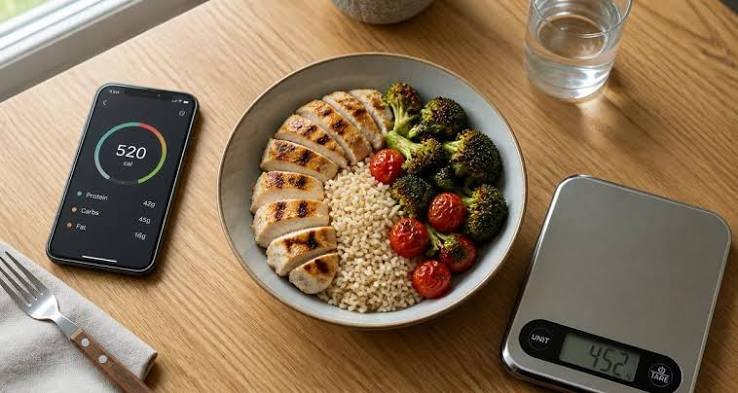
Calorie information only makes sense when the serving size is understood.
If a food contains 100 calories per serving and you eat three servings, your intake from that food would be approximately 300 calories.
This is especially important for foods such as nuts, cheese, chocolate, oils, sauces, and packaged snacks.
You do not have to weigh every food permanently.
Instead, learning the approximate size of common portions can make everyday calorie awareness much easier.
The Cooking Method Can Change Calories
Preparation can transform the calorie content of a meal.
Boiling, steaming, grilling, and baking without large quantities of added fat can keep calorie intake relatively moderate.
Deep frying can increase calories because food absorbs oil during cooking.
Cream sauces, butter, cheese, sugar, and other ingredients can also add substantial energy.
When estimating the calories of a homemade dish, consider every major ingredient rather than looking only at the main food.
Calorie Density and Fullness
Calorie density describes how much energy a food provides relative to its weight or volume.
Foods such as vegetables and many fruits tend to have lower calorie density because they contain considerable water and fiber.
Foods such as oils, nuts, seeds, cheese, and chocolate are more calorie dense.
Understanding this difference can help with meal planning.
Lower calorie density foods can provide greater food volume, while calorie dense foods may need smaller portions to fit comfortably into some eating patterns.
Calories Are Not the Whole Nutrition Story
A calorie number does not describe everything that a food provides.
Two foods can contain similar amounts of energy but offer very different nutritional profiles.
One may provide protein and fiber, while another may contain mostly refined carbohydrates and added sugar.
This is why a balanced diet should include a variety of food groups rather than focusing exclusively on calorie totals.
Nutritional quality, food variety, portion size, and overall dietary pattern all matter.
Using Calorie Information for Weight Loss
Calorie awareness can be helpful when managing body weight.
Weight loss generally occurs when average energy expenditure is greater than average energy intake over time.
However, the calorie deficit required for weight loss differs between individuals.
Age, body size, activity level, and other personal factors influence energy requirements.
Extreme calorie restriction is not necessary simply because weight loss is the goal.
A moderate and sustainable approach is generally easier to maintain than a highly restrictive eating pattern.
Making Calorie Awareness Practical
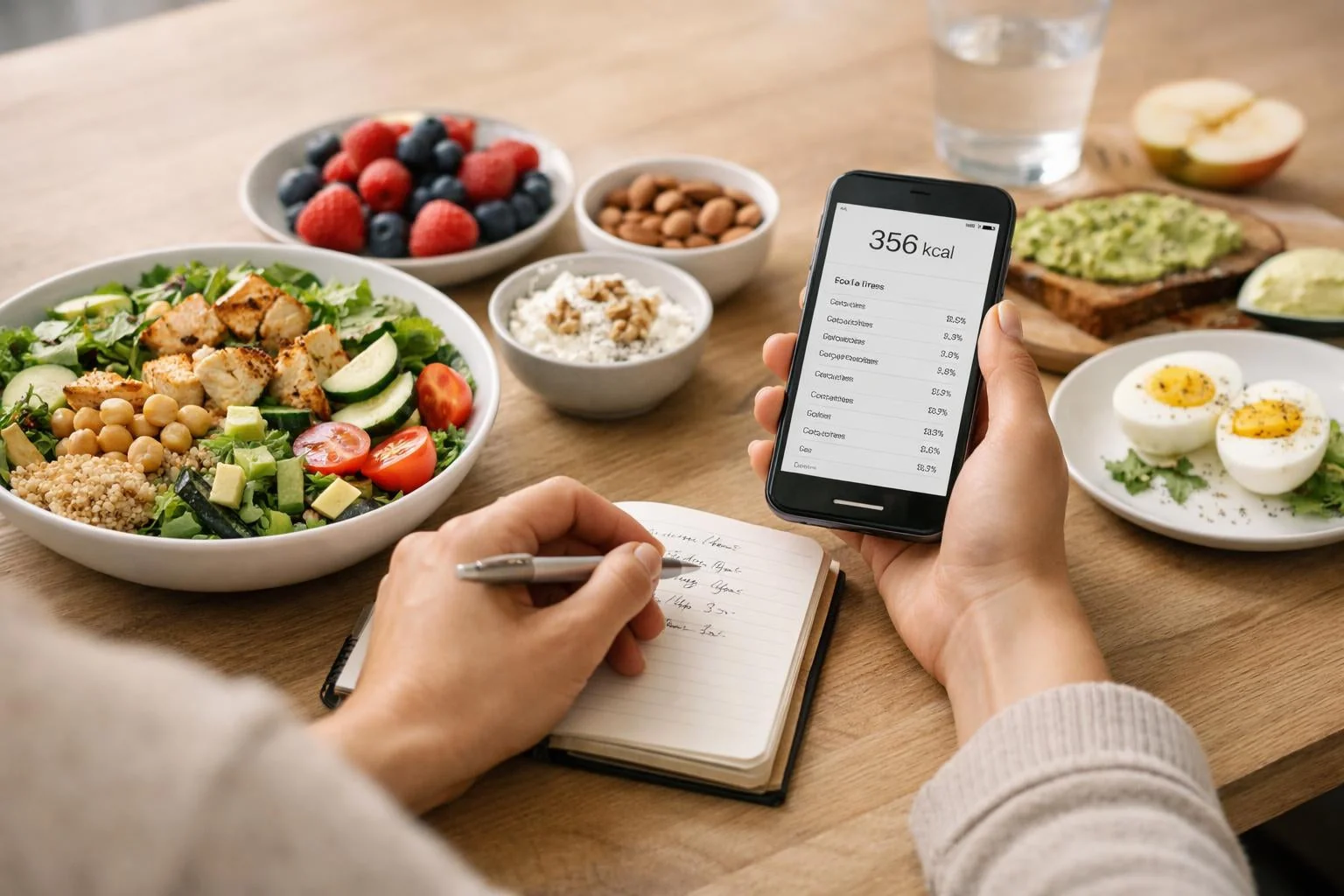
You do not need to memorize the calorie content of every food.
Start with the foods you eat most frequently.
Learn the approximate calorie values of your usual breakfast, lunch, dinner, snacks, and beverages.
Over time, this knowledge can make portion decisions more intuitive.
You may also become more aware of which foods are calorie dense and which provide more volume for fewer calories.
This awareness can help you build meals that fit your personal needs without making eating unnecessarily complicated.
A Balanced Approach to Everyday Eating
The ultimate goal of understanding calories should be greater awareness rather than constant restriction.
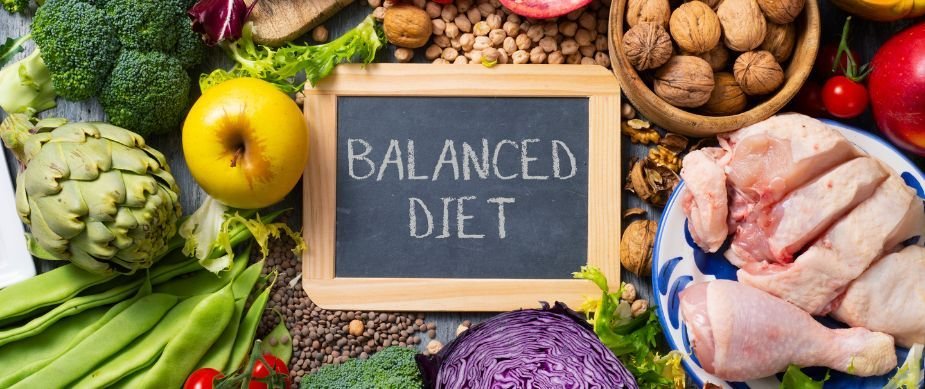
A balanced eating pattern can include fruits, vegetables, grains, dairy products or suitable alternatives, meat, fish, eggs, beans, nuts, seeds, and occasional treats.
The amount of each food depends on individual energy needs and personal preferences.
If you are trying to manage your weight, calorie information can help you understand portions and overall intake. If you are simply interested in healthy eating, it can help you appreciate how different foods contribute energy.
For people with specific medical conditions or special nutritional requirements, personalized advice from a qualified healthcare or nutrition professional may be appropriate.
Making Better Choices With Confidence
Calories are easier to understand when they are viewed as one part of the bigger nutrition picture.
Knowing that a banana contains roughly 105 calories or that a tablespoon of olive oil contains around 119 calories is useful, but the more important skill is understanding how these foods fit into your overall meals.
Choose a variety of nutrient rich foods, pay attention to portions, stay aware of calorie dense ingredients, and avoid thinking that one food has to be completely good or bad.
A flexible approach makes healthy eating more realistic because it allows room for personal preferences and occasional indulgences.
With basic calorie knowledge and sensible portion awareness, everyday food choices can become clearer and more manageable. The goal is not to fear calories, but to understand them well enough to create meals that provide satisfying food, useful nutrition, and an appropriate amount of energy for your individual lifestyle.