Calories are often mentioned when people talk about healthy eating, weight management, fitness, and meal planning. Yet the concept can seem confusing when calorie numbers appear on food labels, restaurant menus, fitness apps, and nutrition websites.
In simple terms, calories are a way of measuring energy. Food provides the energy the body needs to function, move, think, work, exercise, and maintain essential processes throughout the day.
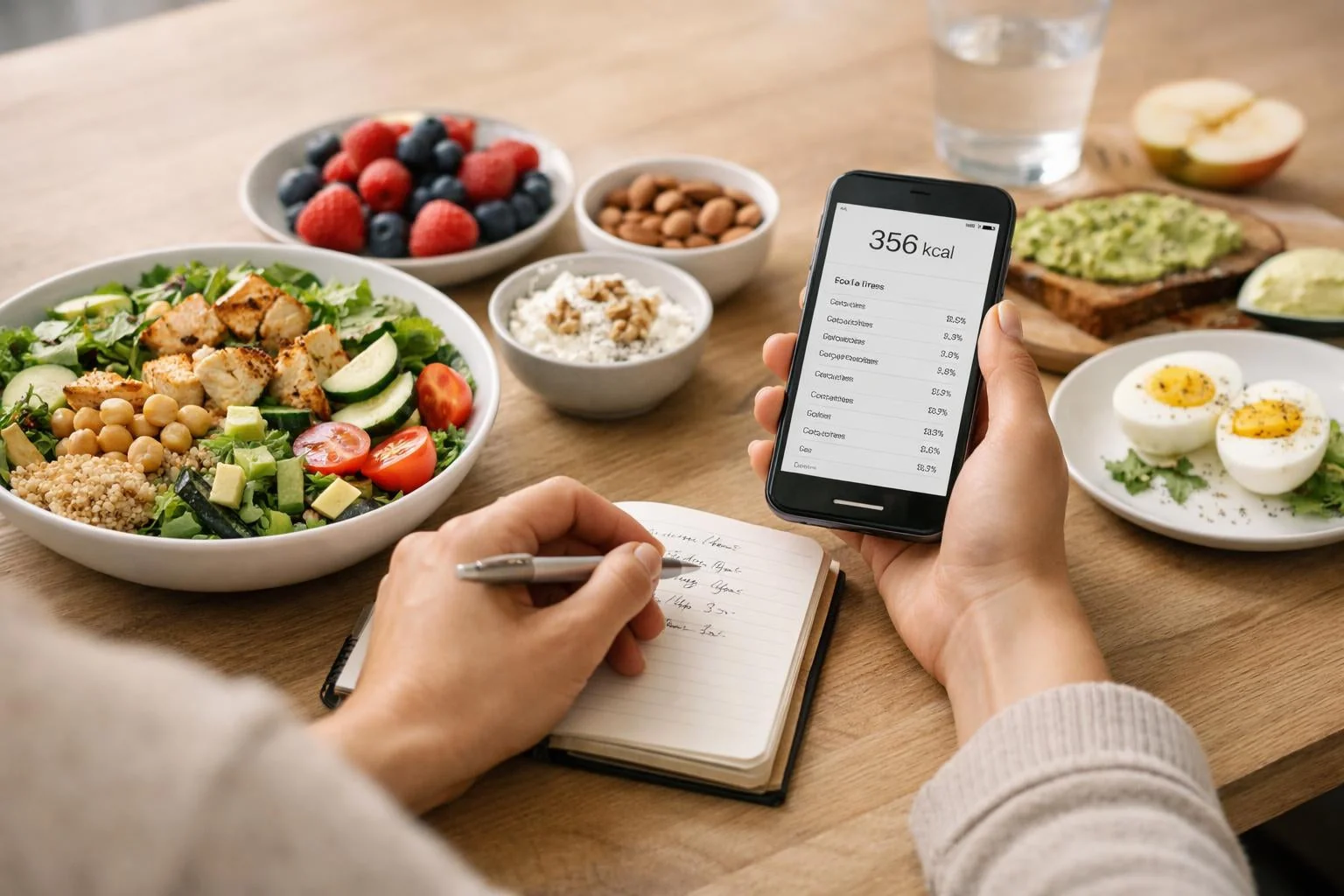
Understanding calories does not mean that you need to calculate every bite of food. Instead, basic calorie knowledge can help you understand portions, compare common foods, and create meals that provide a suitable amount of energy.
A practical way to understand calories is to look at familiar foods and simple meal combinations. When individual ingredients are considered together, it becomes easier to see how breakfast, lunch, snacks, and dinner contribute to overall calorie intake.
What Are Food Calories
Calories describe the amount of energy available from food and drinks.
Your body uses energy continuously. Even while sleeping or sitting, your organs need energy to maintain normal functions.
Physical activity requires additional energy. Walking, exercising, working, climbing stairs, cleaning, and other movements all contribute to daily energy use.
The amount of energy needed varies from person to person.
Factors such as age, body size, activity level, muscle mass, and daily routine can influence calorie requirements.
This means that a calorie intake suitable for one person may not be appropriate for another.
Calories in a Simple Breakfast
Breakfast can be a useful example for understanding how calories add together.
Consider a simple meal containing two large eggs, one slice of whole wheat toast, and one medium banana.
One large egg contains approximately 72 calories, so two eggs provide around 144 calories.
A slice of whole wheat bread may contain approximately 80 calories.
A medium banana provides around 105 calories.
Together, this simple breakfast would contain approximately 329 calories before adding butter, oil, sauces, or other ingredients.
If the eggs are fried using one tablespoon of oil, approximately 119 additional calories could be added.
This demonstrates why cooking ingredients matter when estimating the calories in a meal.
A Simple Oatmeal Breakfast
Oatmeal provides another useful example.
One cup of cooked oatmeal prepared with water contains approximately 150 calories.
Adding a medium banana would contribute around 105 calories.
If you add one ounce of almonds, approximately 164 calories would be added.
The complete bowl could therefore contain around 419 calories.
This meal provides carbohydrates, fiber, and dietary fats along with other nutrients.
The calorie content could change depending on the type of milk, sweeteners, fruit, nuts, and toppings used.
A Yogurt and Fruit Breakfast
Another simple option could include plain yogurt, strawberries, and a small amount of nuts.
One cup of plain yogurt may contain approximately 150 calories.
One cup of strawberries provides around 49 calories.
One ounce of almonds contains approximately 164 calories.
Together, these ingredients would provide roughly 363 calories.
This example shows how calorie-dense foods such as nuts can significantly change the total energy content of a meal even when the portion looks relatively small.
Understanding Lunch Calories
Lunch often combines several different food groups.
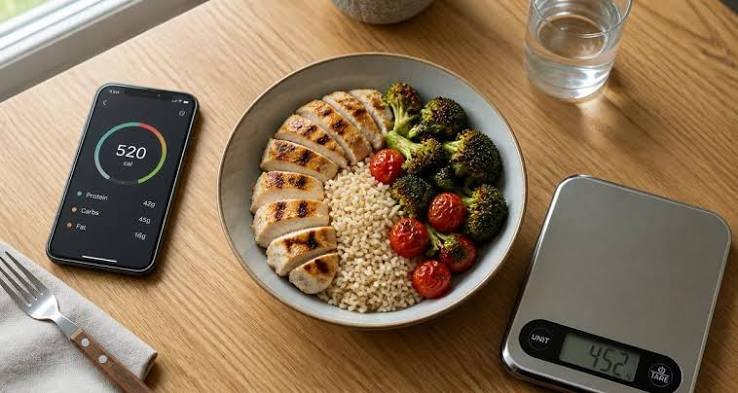
Imagine a meal containing one cup of cooked white rice, 100 grams of cooked chicken breast, and one cup of cooked broccoli.
One cup of cooked white rice provides approximately 205 calories.
A 100-gram serving of cooked chicken breast contains around 165 calories.
One cup of cooked broccoli provides approximately 55 calories.
The meal would therefore contain roughly 425 calories before sauces or cooking oils are included.
Adding one tablespoon of olive oil would add approximately 119 calories.
This would bring the estimated meal total to around 544 calories.
The example shows why the preparation method can be just as important as the basic food ingredients.
A Simple Chicken Sandwich
A chicken sandwich can also demonstrate how ingredients add up.
Two slices of whole wheat bread may provide approximately 160 calories.
A 100-gram portion of cooked chicken breast could provide around 165 calories.
Adding one ounce of cheddar cheese would contribute approximately 115 calories.
One tablespoon of mayonnaise can add around 94 calories.
Vegetables such as lettuce, tomato, and cucumber may contribute relatively few calories.
The complete sandwich could therefore approach 500 calories depending on the exact portions and ingredients.
A sandwich without cheese and mayonnaise would have a noticeably lower calorie total.
A Simple Vegetarian Lunch
A vegetarian lunch can provide substantial nutrition without requiring meat.
Consider one cup of cooked lentils, one cup of cooked vegetables, and one medium chapati.
Cooked lentils provide approximately 230 calories per cup.
A cup of cooked mixed vegetables might contribute around 50 to 100 calories depending on the vegetables and cooking method.
A medium chapati may contain approximately 120 calories.
The meal could therefore provide roughly 400 to 450 calories before additional oil or sauces are considered.
If the lentils are cooked with substantial oil, the final calorie content may be considerably higher.
Calories in a Simple Salad
Salads are often considered low-calorie, but the ingredients determine the actual energy content.
A salad made with lettuce, cucumber, tomato, carrots, and other vegetables may contain relatively few calories.
Adding grilled chicken can increase the protein and calorie content.
Adding nuts, cheese, avocado, croutons, or creamy dressing can increase calories further.
For example, one ounce of almonds provides approximately 164 calories.
One ounce of cheddar cheese contains around 115 calories.
Two tablespoons of a creamy dressing can also add a significant amount of energy.
Therefore, the vegetables themselves may be low in calories while the toppings determine much of the final calorie total.
Calories in Common Snacks
Snacks can either contribute modest amounts of energy or become a significant source of daily calories.
A medium apple contains approximately 95 calories.
A medium orange provides around 62 calories.
Three cups of air-popped popcorn contain approximately 93 calories.
One ounce of potato chips provides roughly 152 calories.
One ounce of walnuts contains around 185 calories.
These examples show why portion size matters.
A small snack can become considerably more calorie-dense when larger portions or additional ingredients are involved.
A Simple Fruit Snack
Fruit can provide a convenient snack between meals.
A medium apple and a medium orange together provide approximately 157 calories.
Adding one tablespoon of peanut butter could increase the total by roughly 90 to 100 calories depending on the product.
The snack would then provide around 250 calories.
This combination demonstrates how adding a calorie-dense food can change the energy content while also providing additional protein and dietary fat.
Understanding Beverage Calories
Drinks are sometimes overlooked when people think about calorie intake.
Water contains no calories.
Black coffee and unsweetened tea contain very small amounts.
One cup of whole milk contains approximately 149 calories.
Orange juice provides around 112 calories per cup.
A regular can of soda can contain approximately 150 calories, depending on the brand and serving size.
Sweetened tea may contain around 90 calories per cup, although heavily sweetened versions can contain more.
Specialty coffee drinks may contain substantially more calories because of sugar, syrups, cream, chocolate, and whipped toppings.
A Simple Dinner With Fish
Dinner can be built around fish, a carbohydrate source, and vegetables.
Consider 100 grams of cooked salmon, one medium potato, and one cup of cooked broccoli.
Cooked salmon provides approximately 206 calories per 100 grams.
A medium potato contains around 130 calories.
One cup of cooked broccoli provides approximately 55 calories.
The basic meal would therefore contain roughly 391 calories.
Adding one tablespoon of olive oil would increase the total by about 119 calories.
This would bring the estimated meal to around 510 calories.
The difference demonstrates how cooking fats can have a noticeable impact on the final calorie count.
A Simple Beef Dinner
Consider a meal containing 100 grams of lean cooked beef, one cup of cooked rice, and one cup of vegetables.
Lean cooked beef may contain approximately 200 calories per 100 grams.
One cup of cooked rice provides around 205 calories.
One cup of vegetables may add approximately 50 to 100 calories depending on the selection and preparation.
The meal could therefore contain roughly 455 to 505 calories before sauces and cooking fats.
Adding several tablespoons of oil or a creamy sauce could increase the total considerably.
A Simple Lentil Dinner
Lentils can form the foundation of a filling dinner.
One cup of cooked lentils provides approximately 230 calories.
Adding one medium chapati could contribute around 120 calories.
A cup of cooked vegetables may add approximately 50 to 100 calories.
This creates a meal of roughly 400 to 450 calories before additional oil.
Lentils also provide fiber and plant-based protein, making them a versatile ingredient for many different meal styles.
Calories in Rice-Based Meals
Rice is common in many cuisines and can be included in a balanced diet.
One cup of cooked white rice contains approximately 205 calories.
If you add 100 grams of cooked chicken breast, another 165 calories are added.
Vegetables can contribute another 50 or more calories depending on the amount and type.
The basic combination could therefore contain approximately 420 calories.
However, rice dishes cooked with large quantities of oil, butter, coconut milk, or other calorie-dense ingredients can contain significantly more.
Why Cooking Oils Matter
Cooking oil is one of the easiest ingredients to overlook.
One tablespoon of olive oil contains approximately 119 calories.
Vegetable oil contains around 124 calories per tablespoon.
Butter provides approximately 102 calories per tablespoon.
Ghee contains roughly 112 calories per tablespoon.
If several tablespoons are used to prepare a family meal, the total energy added can become substantial.
This does not mean cooking oils need to be eliminated.
Instead, understanding their calorie density can help with portion awareness.
Calories in Dairy-Based Snacks
Dairy foods can make convenient snacks.
One cup of plain yogurt may contain around 150 calories.
Greek yogurt can contain approximately 130 calories per cup for some varieties.
One cup of whole milk provides around 149 calories.
Cheddar cheese contains approximately 115 calories per ounce.
A snack combining yogurt and fruit can provide a different calorie profile from a snack consisting mainly of cheese.
The best choice depends on personal preferences, hunger, nutritional needs, and overall eating patterns.
Calories in Nuts and Seeds
Nuts and seeds deserve special attention because they are nutrient-rich but calorie-dense.
One ounce of almonds contains approximately 164 calories.
Walnuts provide around 185 calories per ounce.
Cashews contain approximately 157 calories.
Peanuts provide around 166 calories per ounce.
Chia seeds contain approximately 138 calories per ounce.
These foods can be valuable additions to meals, but measuring or estimating portions can be useful when calorie intake is important.
Calories in Desserts
Desserts can also fit into an overall balanced eating pattern.
One cup of ice cream may contain approximately 270 calories.
A slice of chocolate cake can contain around 350 calories.
A medium donut may provide approximately 200 calories.
A brownie can contain around 250 calories.
The exact value varies according to recipe and serving size.
A small dessert can therefore be included without necessarily making an entire day’s eating pattern unbalanced.
How Meal Examples Help With Calorie Awareness
Looking at complete meals can be more useful than memorizing individual food values.
For example, knowing that rice contains around 205 calories per cooked cup tells you something about the food, but understanding how rice combines with chicken, vegetables, oil, and sauces provides a clearer picture of the final meal.
This approach encourages you to consider ingredients together.
It also makes it easier to identify where additional calories are coming from.
Often, the largest differences between two similar meals come from sauces, oils, toppings, portion sizes, and cooking methods rather than the main ingredient.
Calories and Portion Control
Portion size is one of the most important parts of calorie awareness.
A food containing 100 calories per serving can provide 300 calories if three servings are consumed.
This is particularly relevant for snacks, nuts, cheese, oils, sauces, and packaged foods.
You do not need to weigh every ingredient permanently.
Learning common serving sizes can gradually make portion estimation easier.
The goal is awareness rather than perfection.
Calories Are Not a Measure of Food Quality
A calorie number does not tell you everything about a food.
A food can provide calories along with protein, fiber, vitamins, minerals, and beneficial fats.
Another food may provide a similar number of calories while offering fewer nutrients.
For example, vegetables and sugary snacks can sometimes contribute similar amounts of energy in certain portions, but their nutritional profiles are very different.
A balanced eating pattern should therefore consider food quality as well as calorie intake.
Using Calories for Weight Management
Calorie awareness can help people understand their eating patterns when weight management is a goal.
Weight loss generally occurs when average energy expenditure is greater than average energy intake over time.
However, individual calorie requirements vary considerably.
Age, body size, activity level, and other factors influence how much energy a person needs.
A calorie target should therefore be personalized rather than copied from another person.
Extreme calorie restriction is also not necessary simply because someone wants to lose weight.
Building Simple Meals Without Overcomplicating Food
You can use calorie awareness without turning your kitchen into a laboratory.
Start with familiar foods.
Choose a protein source, add vegetables or fruit, include an appropriate carbohydrate source, and use moderate amounts of calorie-dense ingredients such as oils, sauces, nuts, and cheese.
For example, eggs with whole wheat toast and fruit can create a simple breakfast.
Chicken with rice and vegetables can provide a straightforward lunch.
Fish with potatoes and vegetables can work well for dinner.
These meals can be adjusted according to personal preferences and energy needs.
Making Calorie Knowledge Useful Every Day
The purpose of learning calorie values is not to create fear around food.
Instead, it is about understanding how different foods contribute to your overall energy intake.
You do not need to know the exact calorie value of every ingredient.
Focus on foods you eat regularly and become familiar with their approximate portions.
Over time, this can make meal planning easier and reduce the need for constant calculations.
A Practical Way to Think About Calories
Calories become much easier to understand when you connect them to real meals.
A breakfast of eggs, toast, and fruit can provide several hundred calories.
A lunch containing rice, chicken, and vegetables can provide another few hundred.
Snacks can add anywhere from a small amount to several hundred calories depending on the food and portion.
Dinner can follow a similar pattern.
The total energy intake depends on everything consumed throughout the day, including beverages, cooking oils, sauces, snacks, and desserts.
This is why looking at the complete eating pattern is more useful than focusing on one individual food.
Creating a Balanced Relationship With Food
Calories are simply a measure of energy, not a label that determines whether a food is good or bad.
Understanding them can help with portion control, meal planning, and weight management, but nutrition involves much more.
Aim for variety, include nutrient-rich foods, choose sensible portions, stay physically active, and allow flexibility for foods you enjoy.
If you have specific medical or nutritional needs, personalized guidance from a qualified healthcare or nutrition professional can provide more appropriate recommendations.
With basic calorie knowledge and simple meal examples, it becomes easier to understand where daily energy comes from. Instead of relying on complicated rules, you can make small practical choices that support a balanced eating routine while still enjoying the foods you like.