Knowing the approximate calorie content of everyday foods can make meal planning easier and help you understand how different choices contribute to your daily energy intake. Calories are simply a measure of energy, and the body needs that energy for everything from basic biological functions to walking, working, exercising, and completing ordinary household activities.
Calorie awareness does not mean that every meal needs to become a mathematical calculation. Instead, it can help you understand portion sizes, compare different foods, and recognize which foods provide a lot of energy in relatively small amounts.
A useful food calorie guide should also go beyond numbers. Nutritional quality, protein, fiber, vitamins, minerals, and healthy fats all have important roles in a balanced eating pattern. A food containing more calories is not automatically unhealthy, just as a low-calorie food is not automatically more nutritious.
The following guide provides general information about common foods and explains how calorie awareness can be used in everyday eating.
What Calories Actually Represent
Calories describe the amount of energy available from food and beverages.
Your body constantly uses energy. Even while resting, energy is required for breathing, blood circulation, maintaining body temperature, brain activity, and organ function.
Physical activity increases energy use. Walking, exercising, climbing stairs, working, cleaning, shopping, and many other activities require additional energy.
The amount of energy a person needs varies. Someone who is highly active may need substantially more calories than someone with a mostly sedentary routine.
This is why there is no single calorie target that is suitable for everyone.
Calories in Everyday Fruits
Fruits are common parts of balanced eating patterns and can provide carbohydrates, fiber, water, vitamins, minerals, and natural sugars.
A medium apple contains roughly 95 calories, while a medium banana provides about 105 calories. A medium orange contains about 62 calories, and a medium pear contains about 100 calories.
Other common choices include strawberries, which provide roughly 49 calories per cup, watermelon at about 46 calories per cup, and pineapple at approximately 82 calories per cup.
Mango contains around 100 calories per cup when sliced, while grapes provide approximately 104 calories per cup.
These numbers are estimates because fruit size and variety can differ.
Whole fruit can also be more filling than juice because it contains fiber and requires more chewing. Fruit juice can be easier to consume in larger quantities, which may make it easier to consume more calories without noticing.
Understanding Vegetable Calories
Many vegetables provide relatively few calories compared with their volume, making them useful components of balanced meals.
A medium cucumber contains approximately 30 calories, while a medium tomato has around 22 calories. A medium carrot provides about 25 calories.
One cup of cooked broccoli contains roughly 55 calories, while cooked cauliflower has around 29 calories per cup. Cooked spinach contains approximately 40 calories per cup.
Potatoes are somewhat more calorie-dense than many vegetables. A medium potato contains around 130 calories, while a medium sweet potato provides roughly 112 calories.
The cooking method can change these numbers considerably.
A boiled potato may contain around the same calories as the basic food, while a fried potato can contain significantly more because of absorbed oil.
Calories in Rice and Other Grains
Rice, oats, quinoa, barley, and other grains provide carbohydrates and energy.
One cup of cooked white rice contains approximately 205 calories. Brown rice provides around 216 calories per cooked cup.
One cup of cooked oatmeal contains roughly 150 calories, while cooked quinoa provides approximately 222 calories per cup.
Barley contains around 193 calories per cooked cup, and cooked couscous provides approximately 176 calories.
The calorie content of cooked grains can vary depending on preparation because different amounts of water can be absorbed during cooking.
Adding oil, butter, cheese, sauces, or other ingredients will also increase the total calorie content of the finished meal.
Bread and Common Grain Based Foods
Bread can be part of a balanced eating pattern, but portion size is important.
One slice of white bread usually contains around 75 calories, while a slice of whole wheat bread may provide approximately 80 calories. Multigrain bread can contain around 90 calories per slice depending on the recipe and size.
A medium chapati may contain approximately 120 calories, while a medium naan can contain around 260 calories or more depending on size and preparation.
A medium bagel may provide around 280 calories.
These numbers are only general estimates. Restaurant breads can be considerably larger than homemade portions and may contain additional butter or oil.
Calories in Eggs and Dairy Products
Eggs and dairy foods can provide protein and other important nutrients.
One large whole egg contains approximately 72 calories. A large egg white provides around 17 calories.
One cup of whole milk contains about 149 calories, while low fat milk provides approximately 102 calories per cup. Skim milk contains roughly 83 calories.
Plain yogurt can contain around 150 calories per cup, although the amount varies according to the type and fat content.
Cheddar cheese contains approximately 115 calories per ounce.
Cream cheese, butter, flavored yogurt, and other dairy products can have significantly different calorie values depending on their ingredients.
When buying packaged dairy foods, checking the nutrition label can provide a more accurate estimate.
Calories in Chicken and Other Meats
Meat and poultry can provide substantial amounts of protein, but their calorie content varies according to the cut and preparation.
A 100-gram serving of cooked chicken breast contains approximately 165 calories. Cooked chicken thigh provides around 209 calories per 100 grams.
Turkey breast is relatively lean, with approximately 135 calories per 100 grams.
Lean cooked beef may provide around 200 calories per 100 grams, while fattier ground beef can contain approximately 250 calories or more.
Lamb can also be relatively calorie-dense, with around 250 calories per 100 grams depending on the cut.
Frying, breading, and adding sauces can increase the calorie content significantly.
Calories in Fish and Seafood
Fish and seafood can provide protein and, depending on the variety, useful dietary fats.
Cooked salmon contains approximately 206 calories per 100 grams. Tuna provides around 132 calories per 100 grams, while cod contains approximately 105 calories.
Shrimp is relatively low in calories, providing around 99 calories per 100 grams.
Sardines and mackerel contain more calories because they naturally contain more dietary fat.
The preparation method is important. Grilled or baked fish may have fewer calories than fish that has been battered and deep-fried.
Calories in Beans and Legumes
Beans, peas, lentils, and chickpeas can be valuable additions to everyday meals.
One cup of cooked lentils contains approximately 230 calories. Cooked chickpeas provide around 269 calories per cup.
Kidney beans contain roughly 225 calories per cooked cup, while black beans provide approximately 227 calories.
These foods also provide fiber and plant-based protein, making them useful for meals that need to be satisfying.
The final calorie content can increase when beans are cooked with large amounts of oil, cream, coconut milk, or fatty meats.
Understanding Nuts and Seeds
Nuts and seeds are nutritious but calorie-dense.
One ounce of almonds contains approximately 164 calories, while walnuts provide around 185 calories. Cashews contain roughly 157 calories per ounce, and pistachios provide about 159 calories.
Peanuts contain approximately 166 calories per ounce.
Chia seeds provide around 138 calories per ounce, while flaxseeds contain approximately 151 calories.
These foods can provide protein, fiber, and dietary fats, but portion awareness is especially important because relatively small quantities contain considerable energy.
Cooking Oils Can Add Calories Quickly
Cooking oils are among the most calorie-dense foods.
One tablespoon of olive oil contains approximately 119 calories. Vegetable oil provides around 124 calories per tablespoon.
Coconut oil contains roughly 121 calories per tablespoon, while butter provides approximately 102 calories.
Ghee can contain around 112 calories per tablespoon.
Because oil is often added during cooking without measuring, people may underestimate how many calories it contributes to a meal.
Measuring oil occasionally can help you understand how much you are actually using.
Calories in Common Snacks
Snacks can vary greatly in calorie content.
Three cups of air-popped popcorn contain approximately 93 calories, while one ounce of potato chips provides around 152 calories.
A typical granola bar may contain approximately 120 calories, although some varieties contain considerably more.
One ounce of dark chocolate can provide around 170 calories, while one ounce of milk chocolate contains approximately 153 calories.
Two tablespoons of hummus contain roughly 70 calories.
Snacks can fit into a balanced eating pattern. The important factors are portion size, frequency, and how the snack fits into your overall food intake.
Pay Attention to Liquid Calories
Beverages can sometimes contribute significant calories without creating as much fullness as solid foods.
Water contains no calories, while black coffee and unsweetened tea contain very small amounts.
One cup of orange juice contains approximately 112 calories.
A regular can of soda may contain around 150 calories, depending on the brand and size.
Specialty coffee drinks can contain considerably more when sugar, syrups, cream, or whipped toppings are added.
If calorie intake is a concern, paying attention to beverages can be a useful part of overall meal planning.
Portion Size Changes Everything
Calorie information is only useful when the serving size is considered.
A food may contain 100 calories per serving, but eating three servings would provide approximately 300 calories.
This is particularly important for calorie-dense foods such as nuts, oils, cheese, chocolate, and processed snacks.
You do not necessarily need to weigh everything you eat.
Instead, develop a general understanding of common portions. With experience, you may become better at estimating how much food you are actually consuming.
Cooking Methods Matter
The same basic food can have very different calorie values depending on how it is prepared.
Steaming, boiling, grilling, and baking without large amounts of added fat can keep calorie intake relatively controlled.
Deep frying adds calories because food absorbs oil.
Cream sauces, cheese, butter, sugar, and other additions can also substantially change the final calorie content.
When estimating the calories of a meal, consider the complete recipe rather than focusing only on the main ingredient.
Low Calorie Does Not Always Mean Better
It is easy to assume that foods with fewer calories are always the healthiest choices.
That is not necessarily true.
A low-calorie food may provide limited nutritional value, while a higher-calorie food may provide protein, fiber, vitamins, minerals, or beneficial fats.
For example, nuts are relatively high in calories, but they can provide several valuable nutrients.
The goal should be balance rather than choosing foods solely because they contain the fewest calories.
Calories and Weight Management
Calorie awareness can be particularly useful for people managing their body weight.
Weight loss generally requires an energy deficit over time, meaning the body uses more energy than it receives from food and beverages.
However, individual calorie needs vary considerably.
A calorie level that produces a deficit for one person may be maintenance for another.
This is why general food calorie information should not be confused with a personalized calorie target.
A person’s energy needs depend on factors such as body size, age, activity level, and lifestyle.
Build Balanced Meals Instead of Chasing Numbers
Rather than focusing only on calorie totals, consider the overall structure of your meals.
A balanced meal might include a source of protein, vegetables or fruit, a carbohydrate-rich food, and a suitable amount of dietary fat.
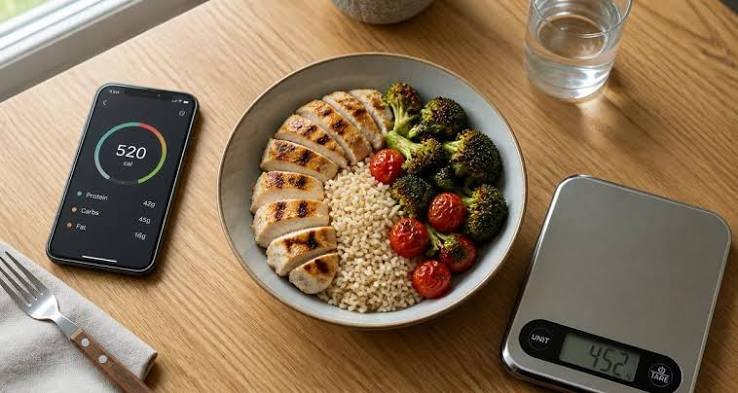
For example, grilled chicken with vegetables and rice can provide a combination of protein, carbohydrates, fiber, and other nutrients.
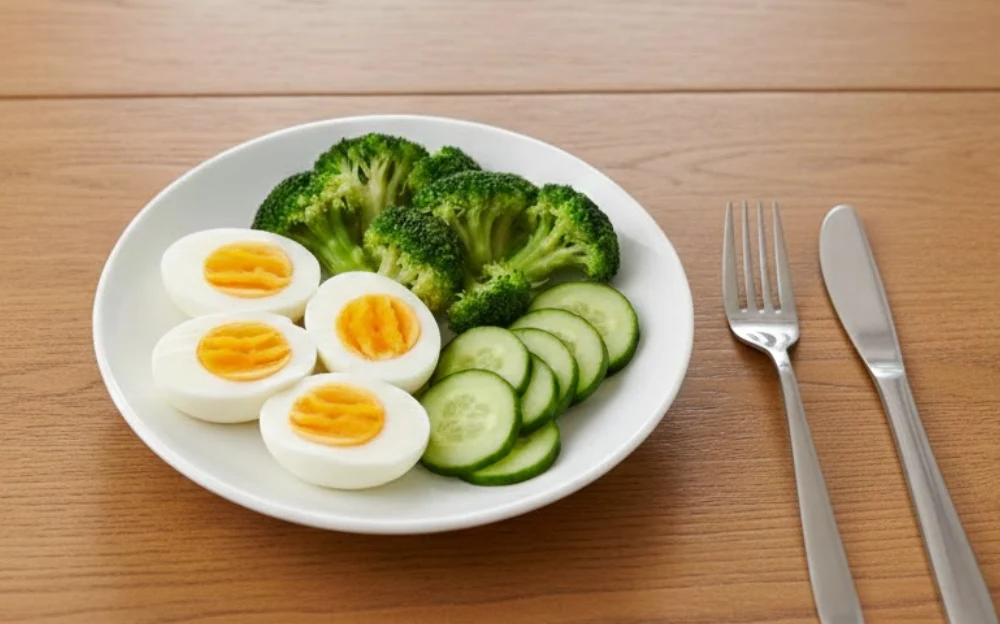
A breakfast of eggs, whole grain toast, and fruit can also create a balanced meal.
The exact foods can vary according to personal preferences, cultural eating habits, and dietary requirements.
Keep Calorie Tracking Flexible
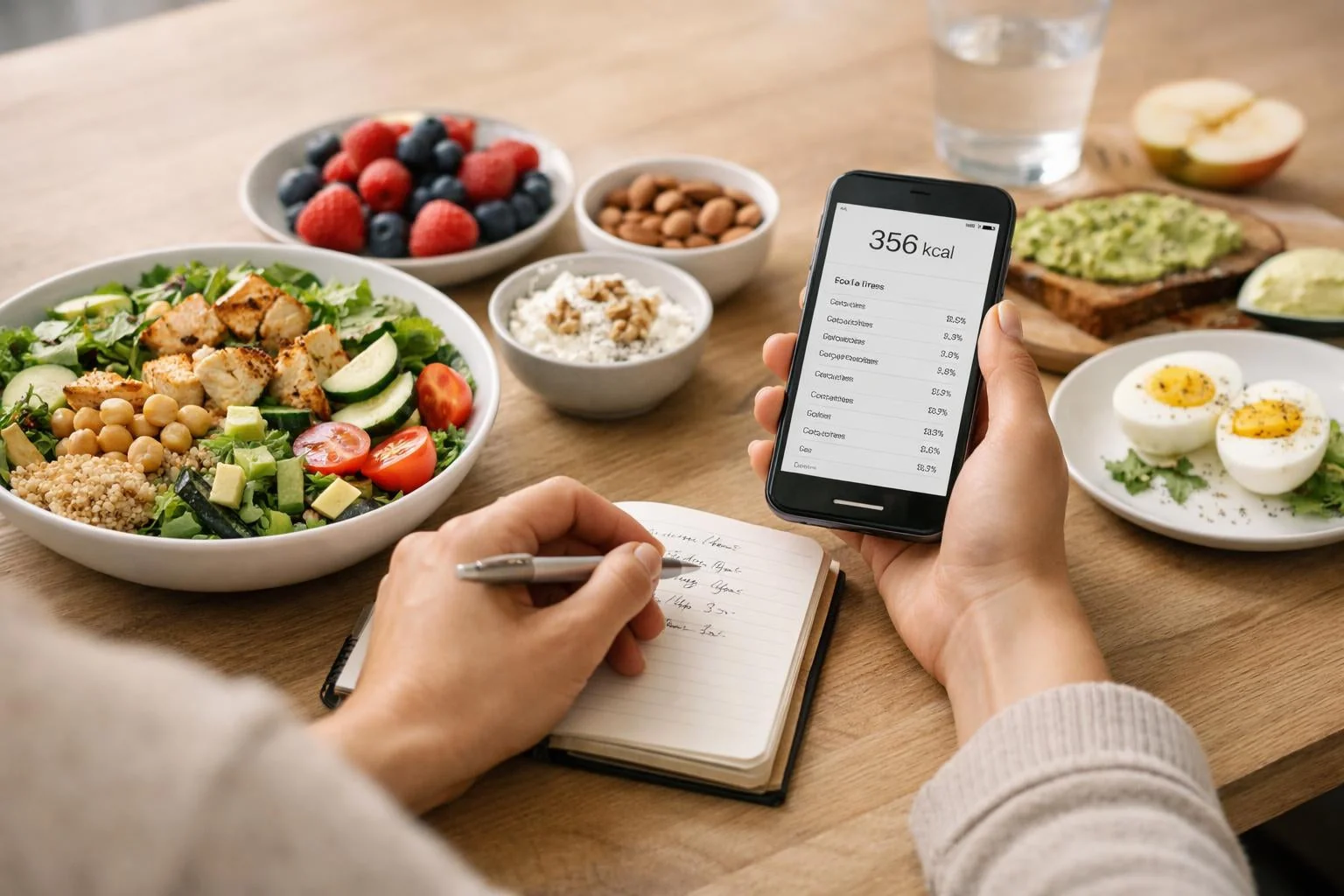
Some people find calorie tracking useful, while others prefer simple portion awareness.
If you choose to track calories, remember that estimates are not perfectly precise.
Food labels, recipes, serving sizes, and cooking methods can all introduce differences.
Your daily energy expenditure is also an estimate.
Trying to calculate every calorie with absolute accuracy can make eating unnecessarily stressful.
For many people, understanding calorie density and becoming familiar with common portions is enough.
Making Everyday Food Choices Easier
A food calorie guide can be useful when you want to understand how different foods contribute to your daily energy intake. Instead of memorizing every number, focus on the foods you eat most frequently.
Learn the approximate calorie values of your regular breakfast foods, common lunch ingredients, favorite snacks, and frequently used cooking fats.
This knowledge can gradually make meal planning more intuitive.
You can then adjust portions when necessary without feeling that every meal requires complicated calculations.
A Balanced Perspective on Calories
Calories are an important part of nutrition, but they should not be the only consideration when choosing food.
A healthy eating pattern should provide enough energy while also supplying protein, fiber, vitamins, minerals, and other nutrients.
Use calorie information to improve awareness rather than creating fear around food.
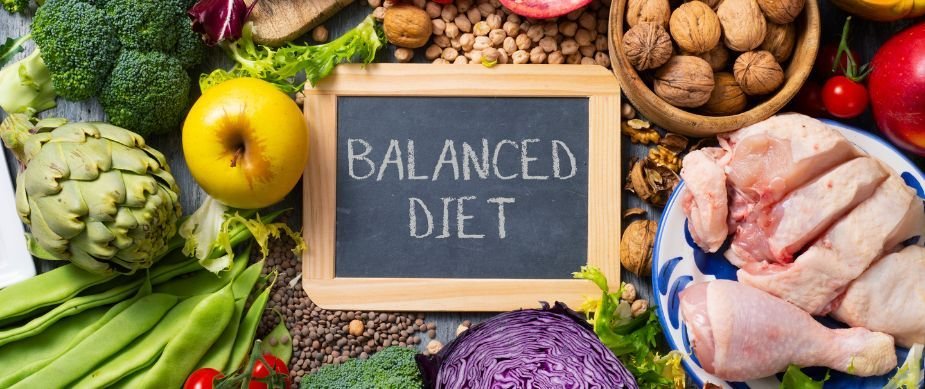
Fruits, vegetables, grains, dairy products, meats, fish, legumes, nuts, seeds, and even occasional treats can all have a place in a flexible eating pattern when portions and overall balance are considered.
Understanding calories gives you a useful foundation for making informed decisions. When that knowledge is combined with nutritious food choices, sensible portions, regular physical activity, and a realistic approach to eating, everyday meals can become easier to manage without sacrificing variety or enjoyment.