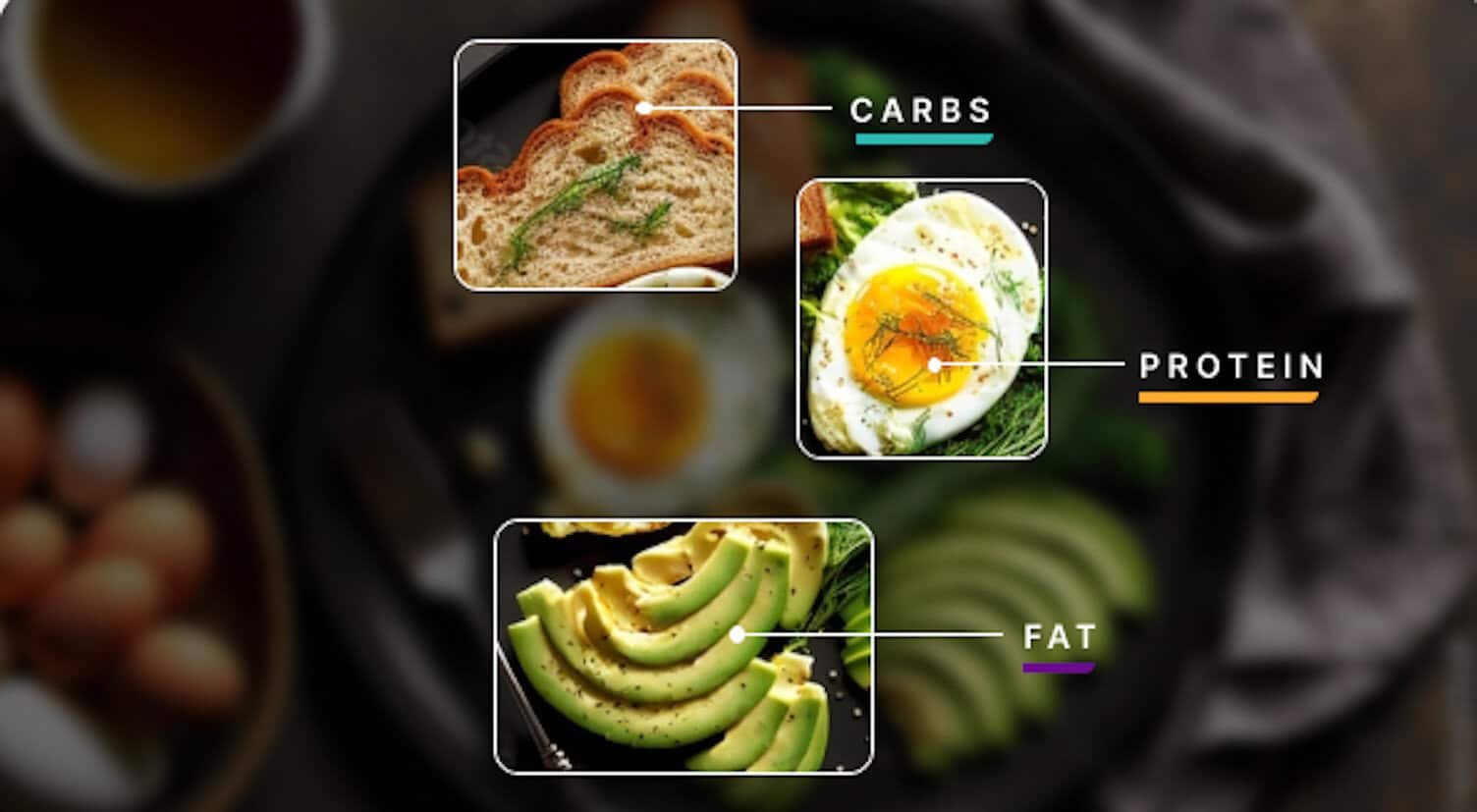
Planning everyday meals becomes much easier when you understand how much protein, carbohydrates, and fat your food provides. These three nutrients make up the main macronutrients in the diet and contribute energy while supporting different functions throughout the body.
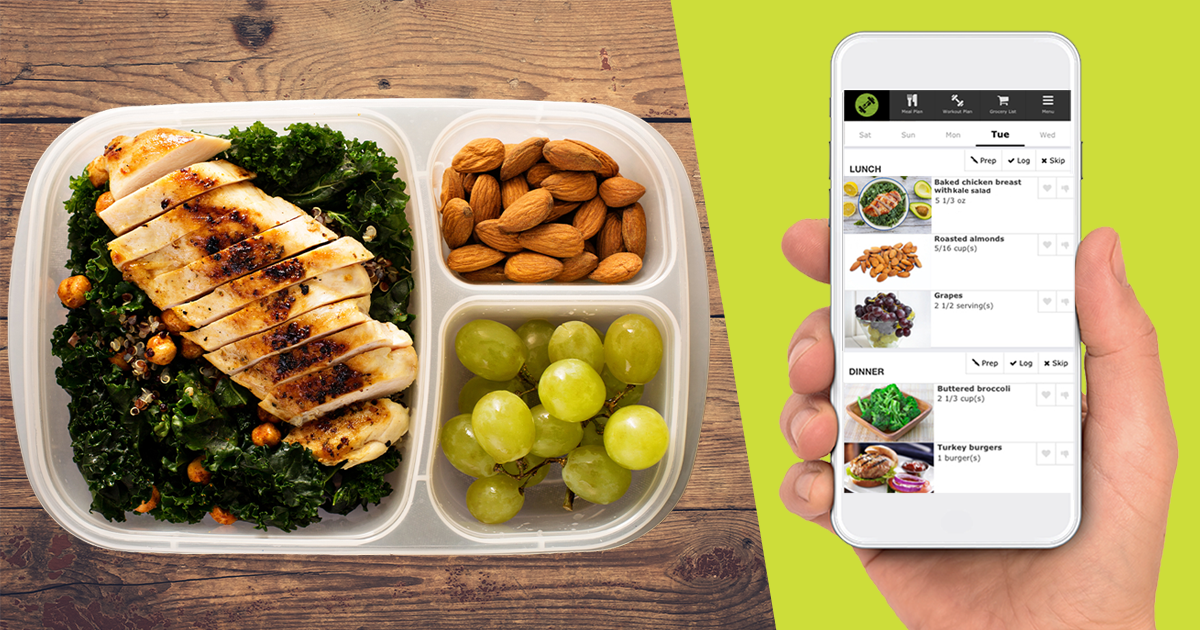
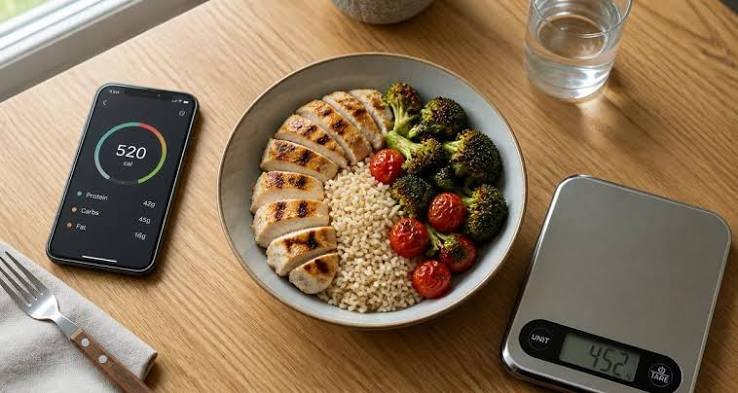
A protein, carbs, and fat calculator can help turn your estimated calorie needs into practical daily targets. Instead of simply knowing how many calories you should eat, you can also estimate how those calories may be divided between the three major macronutrients.
This can be useful for people with different goals. Someone may want to manage their weight, support an exercise routine, maintain their current body weight, or simply develop a more organized approach to eating.
However, calculator results are estimates. There is no single combination of protein, carbohydrates, and fat that works perfectly for every person. Your age, body size, activity level, food preferences, and personal goals all influence your nutritional requirements.
Understanding the Three Main Macros
Protein, carbohydrates, and dietary fat are called macronutrients because the body requires them in relatively large amounts.
Protein and carbohydrates provide approximately 4 calories per gram. Dietary fat provides approximately 9 calories per gram.
This difference becomes important when planning meals.
For example, 100 grams of protein would provide approximately 400 calories, while 100 grams of fat would provide around 900 calories.
Each macronutrient also has a different role, so meal planning should consider more than calories alone.
Protein and Meal Planning
Protein is an important part of a balanced diet and contributes to the maintenance and repair of body tissues.
Common protein sources include eggs, chicken, fish, lean meat, yogurt, milk, cottage cheese, beans, lentils, tofu, and other foods.
When using a macro calculator, protein is usually expressed in grams.
For example, a daily target of 120 grams of protein would contribute approximately 480 calories.
A person who regularly performs resistance training may have different protein needs from someone with a sedentary lifestyle.
Rather than copying another person’s target, it is better to use personal information when estimating daily requirements.
Carbohydrates Provide Energy
Carbohydrates are found in foods such as rice, bread, oats, potatoes, fruits, beans, lentils, and pasta.
They provide approximately 4 calories per gram and can be an important source of energy, particularly for people who are physically active.
For example, 200 grams of carbohydrates would contribute approximately 800 calories.
The amount needed can vary according to activity and personal preferences.
Someone who participates in regular sports or endurance exercise may choose a higher carbohydrate intake, while another person may prefer a different balance.
Carbohydrates do not need to be removed from a balanced diet simply because weight management is a goal.
Dietary Fat Has a Higher Calorie Density
Fat provides approximately 9 calories per gram, making it more calorie-dense than protein and carbohydrates.
Sources include olive oil, nuts, seeds, avocado, eggs, dairy products, and fatty fish.
Because fat contains more calories per gram, portion size can have a noticeable effect on total energy intake.
One tablespoon of olive oil contains approximately 119 calories.
This does not mean that dietary fat should be avoided. It means that understanding portions can make meal planning more accurate.
A balanced eating pattern can include suitable sources of dietary fat while keeping the overall intake appropriate.
How a Macro Calculator Helps
A protein, carbs, and fat calculator generally starts by estimating your daily calorie requirements.
Your energy needs are influenced by factors such as age, body size, activity level, and daily movement.
Once an estimated calorie requirement is established, those calories can be divided between protein, carbohydrates, and fat.
For example, imagine that a person has an estimated requirement of 2,000 calories.
The calculator could assign a certain percentage to protein, another percentage to carbohydrates, and the remaining amount to fat.
The calorie amounts can then be converted into grams.
This creates daily macro targets that can be used for meal planning.
A Simple Calculation Example
Suppose a person wants to consume approximately 2,000 calories per day.
Imagine the selected distribution is 30 percent protein, 40 percent carbohydrates, and 30 percent fat.
Protein would provide 600 calories.
Since protein provides approximately 4 calories per gram, this equals about 150 grams of protein.
Carbohydrates would provide 800 calories.
That equals approximately 200 grams of carbohydrates.
Fat would provide 600 calories.
Since fat provides about 9 calories per gram, this equals approximately 67 grams of fat.
The daily target would therefore be around 150 grams of protein, 200 grams of carbohydrates, and 67 grams of fat.
This example is for explanation only and should not be treated as a universal recommendation.
Using Macros to Build Breakfast
Once you have estimated daily targets, you can divide them between meals.
Breakfast could include two eggs, whole grain toast, Greek yogurt, and fruit.
The eggs and yogurt contribute protein.
The toast and fruit provide carbohydrates.
Egg yolks and other ingredients contribute dietary fat.
The portions can be adjusted according to your individual targets.
Someone with a higher protein requirement might increase the yogurt or egg portion.
Someone needing additional carbohydrates could add oats or fruit.
This approach allows the same basic meal to work for different nutritional goals.
Creating a Balanced Lunch
Lunch can be built around a protein source, carbohydrate source, vegetables, and a suitable amount of dietary fat.
For example, grilled chicken with cooked rice and vegetables provides a simple combination.
Chicken contributes protein.
Rice provides carbohydrates.
Vegetables add fiber and micronutrients.
Olive oil or another suitable fat source can contribute dietary fat.
The amount of each ingredient can be adjusted depending on how much of each macro remains in your daily plan.
This makes meal planning more flexible than following a fixed menu.
Planning Dinner Around Your Targets
Dinner can follow the same general principle.
A meal containing salmon, potatoes, and vegetables provides all three major macronutrients in different amounts.
Salmon contributes protein and dietary fat.
Potatoes provide carbohydrates.
Vegetables contribute carbohydrates, fiber, and various micronutrients.
If the meal contains more fat than desired, the portion of additional oil or high-fat toppings can be reduced.
If more carbohydrates are required, additional potatoes, rice, or another carbohydrate source can be included.
Choosing Protein Sources
Variety can make it easier to maintain a protein-focused meal plan.
Chicken breast is a lean option.
Fish can provide protein along with different amounts of dietary fat.
Eggs are convenient and versatile.
Greek yogurt and cottage cheese can work well for breakfast or snacks.
Beans and lentils provide plant-based protein along with carbohydrates and fiber.
Tofu can also be incorporated into many meals.
Using different protein sources throughout the week can make meals more enjoyable and provide a broader range of nutrients.
Choosing Carbohydrates Wisely
Carbohydrate sources can also be varied.
Rice, oats, potatoes, whole grain bread, pasta, fruit, beans, and lentils can all contribute carbohydrates.
Rather than focusing only on the number of carbohydrate grams, consider the nutritional value of the foods providing them.
Whole grains, fruits, vegetables, and legumes can contribute fiber and other nutrients along with carbohydrates.
Highly processed foods can still fit into a flexible eating pattern, but nutrient-rich foods should form an important part of everyday meals.
Managing Dietary Fat
Dietary fat can come from both cooking ingredients and foods themselves.
Olive oil, nuts, seeds, avocado, eggs, fish, and dairy products can all contribute fat.
Because fat is calorie-dense, it is useful to understand portions.
For example, adding several tablespoons of oil to a meal can increase its calorie content quickly.
You do not need to eliminate oils or other fat sources.
Instead, measured portions can help you stay closer to your planned calorie and macro intake.
Snacks and Daily Macros
Snacks can help fill gaps in your daily macro targets.
Greek yogurt with berries can provide protein and carbohydrates.
A banana with a small portion of nuts provides carbohydrates, protein, and fat.
Boiled eggs can provide protein and fat.
Whole grain toast with peanut butter can contribute carbohydrates, protein, and dietary fat.
The best option depends on what your main meals have already provided.
For example, if your protein intake is low for the day, a protein-rich snack may be more useful than a snack containing mostly carbohydrates.
Why Meal Timing Can Be Flexible
You do not necessarily need to divide your macros equally between breakfast, lunch, and dinner.
Some people prefer larger breakfasts.
Others eat a small breakfast and consume more food later in the day.
The important consideration is your overall daily intake.
You can distribute protein, carbohydrates, and fat according to your schedule, hunger, training routine, and personal preference.
A flexible approach often makes meal planning easier to maintain.
Macros and Weight Loss
If weight loss is the goal, calorie intake remains an important consideration.
A person generally needs to consume less energy than they use over time to lose weight.
A macro calculator can help organize that calorie target into protein, carbohydrates, and fat.
Protein may be given particular attention because it supports muscle maintenance and can contribute to meal satisfaction.
Carbohydrates and fats can then be adjusted according to preference and activity.
There is no requirement to follow one specific macro ratio for successful weight management.
Macros for Fitness and Exercise
People who exercise regularly may use macro planning to support their training routine.
Protein can support muscle maintenance and recovery.
Carbohydrates can provide energy for workouts.
Dietary fat remains an important part of overall nutrition.
Someone participating in endurance activities may require more carbohydrates than someone with a less active routine.
Similarly, a person engaged in regular strength training may pay closer attention to protein intake.
The calculator can provide a starting point, but individual response and training demands should also be considered.
Do Not Ignore Fiber and Micronutrients
Macro tracking can be useful, but it does not measure everything your body needs.
Fiber, vitamins, minerals, and other nutrients are also important.
A meal can technically fit within a macro target while still lacking variety.
For this reason, include vegetables, fruits, whole grains, legumes, and other nutrient-rich foods alongside your protein, carbohydrate, and fat sources.
A successful meal plan should provide both appropriate energy and nutritional variety.
Common Errors When Tracking Macros
One frequent mistake is forgetting ingredients used during cooking.
Oil, butter, sauces, dressings, spreads, and sweetened drinks can contribute significant calories.
Another issue is serving size.
Nutrition labels usually provide information for a specific serving, not necessarily the entire package.
Homemade meals can also be difficult to estimate because ingredients may be added without measuring.
You do not need perfect accuracy, but paying attention to these details can improve your estimates.
Keep Your Macro Targets Flexible
Your nutritional needs can change.
Changes in body weight, activity level, training frequency, and lifestyle can affect calorie requirements.
If your daily routine becomes more active, you may need more energy.
If your activity decreases, your requirements may change in the opposite direction.
This means your initial macro targets should not be considered permanent.
Reviewing your progress occasionally can help you determine whether adjustments are appropriate.
Making Macro-Based Meal Planning Easier
You can simplify the process by creating a small collection of meals that you already know how to prepare.
For breakfast, you might rotate between eggs with toast, oatmeal with yogurt, or Greek yogurt with fruit.
Lunch could alternate between chicken with rice, lentil dishes, sandwiches, or salads with a protein source.
Dinner might include fish with potatoes, lean meat with vegetables, or beans with rice.
Once you understand the approximate macros in these meals, planning your day becomes much easier.
You can then adjust portions rather than calculating every ingredient from scratch.
The Best Macro Plan Is One You Can Follow
A macro calculator can provide useful numbers, but the numbers are only helpful if they fit your lifestyle.
An overly restrictive plan can make eating difficult and may not be sustainable.
Your favorite foods, cultural meals, work schedule, exercise routine, and personal preferences should all be considered.
A flexible plan can include different foods while still keeping your overall calorie and macro intake within a reasonable range.
The goal is to create a structure that helps you make informed choices without making food unnecessarily complicated.
Building a Practical Daily Pattern
A useful strategy is to include a protein source at each main meal, add suitable carbohydrate sources according to your energy needs, and include moderate amounts of dietary fat.
Vegetables and fruits can provide fiber and important micronutrients.
Snacks can be used to fill nutritional gaps between meals.
Portions can then be adjusted according to your daily calorie and macro targets.
This method gives you structure while allowing plenty of flexibility.
Making the Calculator Work for You
A protein, carbs, and fat calculator should be viewed as a planning aid rather than a strict set of rules.
Use your estimated calorie requirement as the foundation, divide those calories between the three major macronutrients, and then build meals around the resulting targets.
Pay attention to protein-rich foods, nutritious carbohydrate sources, and suitable dietary fats.
Remember that food quality, fiber, hydration, and overall variety also matter.
If you have a medical condition or specific nutritional requirement, personalized advice from a qualified healthcare or nutrition professional is more appropriate than relying solely on a general calculator.
With a sensible approach, macro calculations can make meal planning more organized and easier to understand. Instead of guessing what your meals should contain, you can use estimated protein, carbohydrate, and fat targets to guide your choices while keeping enough flexibility to enjoy a varied and sustainable diet.