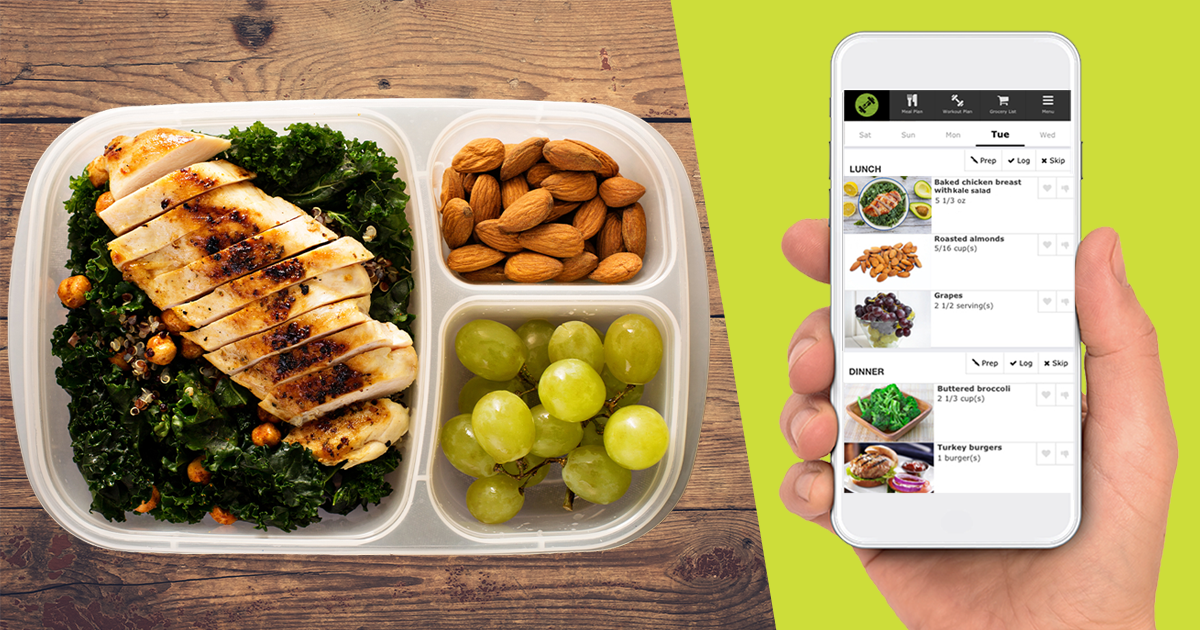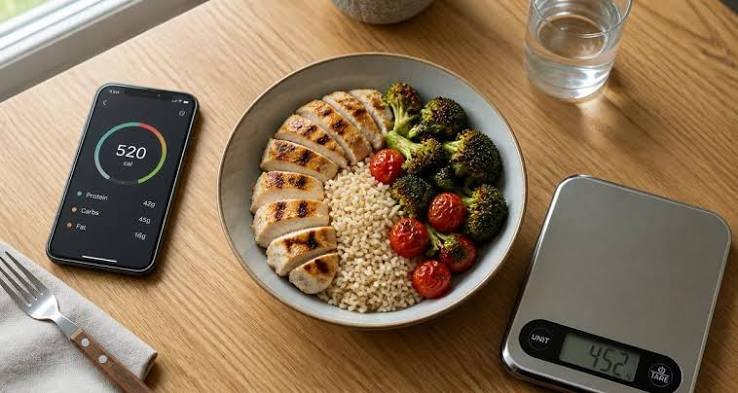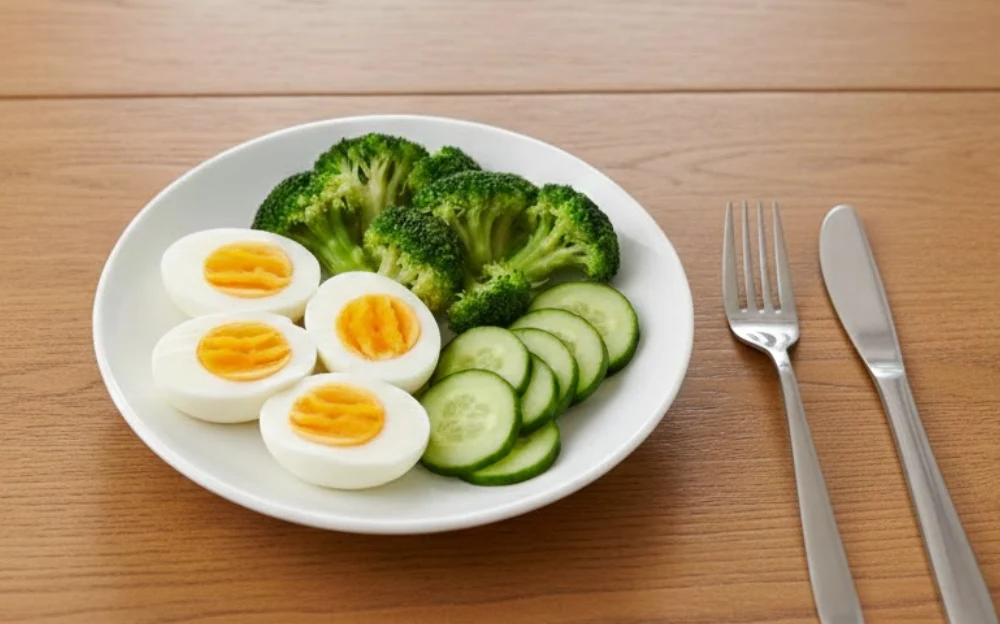
Finding the right balance of protein, carbohydrates, and dietary fat can make nutrition planning much easier. Calories provide the energy your body receives from food, but macronutrients show how those calories are distributed. The right macro split can also make a diet more practical for different goals, including weight management, muscle development, fitness performance, or simply maintaining a balanced eating routine.
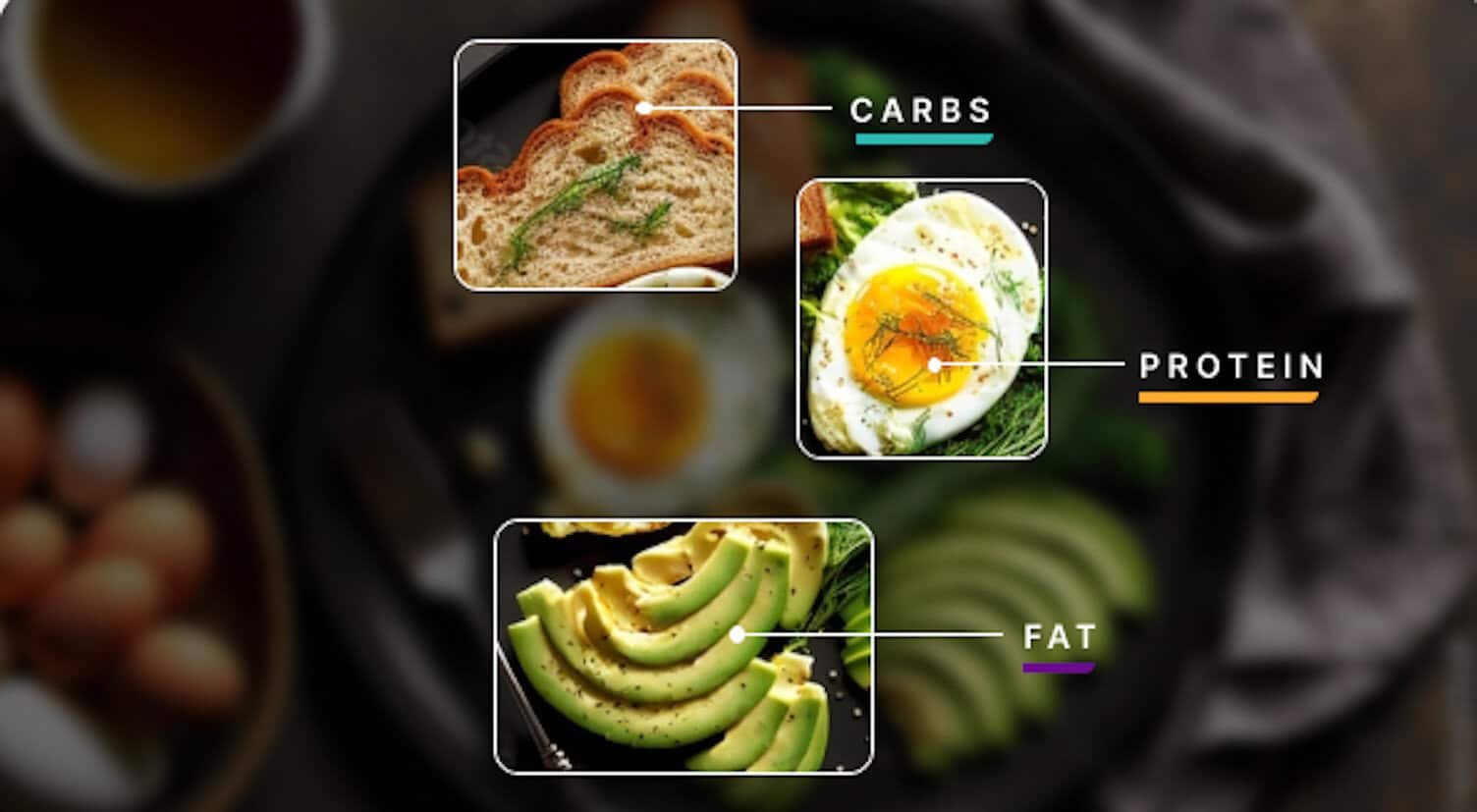
A macro split calculator provides an estimated distribution of daily calories between protein, carbohydrates, and fat. Instead of following a random percentage copied from someone else’s diet, you can use your calorie needs, activity level, and personal objective to create a more suitable starting point.
There is no single macro split that works for everyone. A person who spends most of the day sitting may have different requirements from someone who trains several times a week. Likewise, someone trying to lose weight may structure their meals differently from someone focused on gaining muscle.
Understanding how the calculator works can help you use the results more effectively.
What Is a Macro Split
A macro split describes the percentage of daily calories that comes from protein, carbohydrates, and dietary fat.
For example, a hypothetical plan might use 30 percent protein, 40 percent carbohydrates, and 30 percent fat.
The percentages are then converted into grams based on the total calorie target.
Protein and carbohydrates provide approximately 4 calories per gram, while fat provides around 9 calories per gram.
This means that the same percentage of calories does not translate into the same number of grams.
For example, 30 percent of a 2,000-calorie diet equals 600 calories. If those calories come from protein, they represent approximately 150 grams. If they come from fat, they represent only about 67 grams.
Why Your Macro Split Matters
Calories are important for managing energy balance, but the composition of those calories can influence how a diet feels and functions.
Protein contributes to tissue maintenance and repair.
Carbohydrates can provide readily available energy, particularly during physical activity.
Dietary fat supports several normal functions and provides a concentrated source of energy.
A suitable macro split can therefore help you build meals that support your particular needs.
However, the split itself is only one part of nutrition. Food quality, fiber, vitamins, minerals, hydration, and overall dietary variety also matter.
Start With Your Calorie Needs
A macro split calculator generally needs an estimated daily calorie requirement before it can calculate individual macros.
Your calorie needs depend on several factors.
These can include age, body size, activity level, daily movement, exercise routine, and personal goals.
Someone with a physically active job may use significantly more energy than someone who works at a desk and has little daily movement.
Once your estimated calorie requirement is established, you can decide how those calories should be divided between protein, carbohydrates, and fat.
This creates a more personalized approach than simply choosing a popular macro ratio.
Protein in a Fitness-Focused Diet
Protein is particularly important when fitness and muscle maintenance are part of your goals.
Protein-rich foods include eggs, chicken, fish, lean meat, Greek yogurt, cottage cheese, milk, beans, lentils, tofu, and other foods.
Protein provides approximately 4 calories per gram.
If a person has a daily target of 140 grams of protein, that contributes about 560 calories.
The appropriate amount depends on individual circumstances.
People who participate in regular resistance training may have different protein needs than those who are not physically active.
Rather than choosing an extremely high protein intake automatically, it is better to consider the complete diet.
Carbohydrates for Energy and Performance
Carbohydrates are found in rice, oats, potatoes, bread, pasta, fruits, beans, lentils, and many other foods.
They provide approximately 4 calories per gram.
Carbohydrates can be particularly useful for people who participate in demanding physical activities.
Running, cycling, sports, swimming, and high-intensity workouts can require significant energy.
A higher carbohydrate split may therefore suit some active people.
Others may prefer a lower carbohydrate approach because of personal food preferences.
The important point is that carbohydrate intake should fit the overall calorie target and lifestyle.
The Role of Dietary Fat
Dietary fat provides approximately 9 calories per gram.
This makes it the most calorie-dense of the three primary macronutrients.
Foods such as olive oil, avocado, nuts, seeds, eggs, dairy products, and fatty fish can provide dietary fat.
Because fat contains more calories per gram, portion awareness can be helpful.
A tablespoon of olive oil contains approximately 119 calories, so adding several tablespoons during cooking can significantly increase a meal’s calorie content.
Fat should not be eliminated simply because it is calorie-dense. Appropriate amounts can fit comfortably into a balanced diet.
A Simple Macro Split Example
Imagine that your estimated daily calorie requirement is 2,200 calories.
Suppose you choose a split of 30 percent protein, 40 percent carbohydrates, and 30 percent fat.
Protein would account for 660 calories.
At 4 calories per gram, that equals approximately 165 grams of protein.
Carbohydrates would provide 880 calories.
That equals approximately 220 grams of carbohydrates.
Fat would contribute 660 calories.
At about 9 calories per gram, this equals approximately 73 grams of fat.
The resulting target would be around 165 grams of protein, 220 grams of carbohydrates, and 73 grams of fat.
This is an example of how the calculation works rather than a recommendation for everyone.
Macro Splits for Weight Loss
Weight loss generally requires a sustained calorie deficit over time.
A macro split calculator can help organize that reduced calorie intake.
Protein may receive greater attention during weight loss because adequate protein intake can support the maintenance of muscle tissue.
Carbohydrates and dietary fat can then be adjusted according to personal preference and activity.
There is no requirement to eliminate carbohydrates or drastically reduce fat.
A diet that is too restrictive may become difficult to maintain.
A practical calorie target combined with a manageable macro split can be easier to follow over the long term.
Macro Splits for Muscle Growth
People focused on muscle development often need to consider both training and nutrition.
Resistance training provides the stimulus for muscle adaptation, while adequate energy and protein support the process.
Carbohydrates can also be valuable because they provide energy for training.
Dietary fat remains part of a balanced diet.
A person trying to build muscle may therefore use a macro split that provides sufficient protein while leaving enough calories for carbohydrates and fats.
The exact calorie target and macro distribution depend on the person’s circumstances.
Macro Splits for Weight Maintenance
A maintenance diet aims to provide roughly enough energy to match average energy expenditure over time.
Once maintenance calories have been estimated, those calories can be divided between protein, carbohydrates, and fat.
This allows you to create meals that support your normal routine without deliberately increasing or reducing body weight.
For example, someone with a maintenance target of 2,400 calories could use a macro split that suits their training schedule and food preferences.
The distribution does not need to remain identical every day.
Choosing a Split Based on Activity
Your activity level can influence which macro distribution feels most comfortable.
Someone who participates in frequent endurance exercise may prefer more carbohydrates.
A person focused on resistance training may place additional attention on protein while maintaining adequate carbohydrates for workouts.
Someone with a relatively sedentary lifestyle may not require as many calories overall.
These differences are why blindly copying another person’s macro split can be misleading.
The best starting point is based on your own circumstances.
Building Breakfast Around Your Split
Once you know your approximate macro targets, meal planning becomes easier.
A breakfast of eggs, oatmeal, and fruit can provide protein and carbohydrates along with dietary fat.
Greek yogurt can increase protein.
Nuts or seeds can increase dietary fat.
Additional fruit or oats can increase carbohydrates.
The portions can be adjusted depending on your daily targets.
This means you do not need to completely redesign your meals every time your macro requirements change.
Creating a Balanced Lunch
Lunch can be structured around a simple combination of protein, carbohydrates, vegetables, and dietary fat.
For example, grilled chicken with rice, vegetables, and a measured amount of olive oil can provide a balanced meal.
If your protein target is higher, you can increase the chicken portion.
If your carbohydrate target is higher, you can increase the rice.
If you need additional dietary fat, you can add an appropriate portion of avocado, seeds, or olive oil.
This makes macro tracking more flexible.
Dinner Does Not Need to Be Complicated
A simple dinner could include fish, potatoes, and vegetables.
Fish can provide protein and varying amounts of fat depending on the type.
Potatoes provide carbohydrates.
Vegetables add fiber and micronutrients.
Another option could be lean meat with rice and vegetables.
Plant-based meals can also work, using foods such as beans, lentils, tofu, and whole grains.
The objective is not to follow one specific menu but to understand how different foods contribute to your macro targets.
Snacks Can Help Balance the Day
Your macro split does not have to be achieved entirely through three large meals.
Snacks can help fill nutritional gaps.
Greek yogurt can contribute protein.
Fruit can contribute carbohydrates.
A small serving of nuts can contribute dietary fat.
A combination of yogurt and fruit can work well when protein and carbohydrates are needed.
If you need more fat, nuts or seeds can be included in an appropriate portion.
Thinking of snacks as part of the daily plan can make it easier to reach your overall targets.
Why Food Quality Still Matters
Macro percentages do not tell you whether a food is rich in vitamins, minerals, or fiber.
For example, two foods can contain similar amounts of carbohydrates but provide very different nutritional benefits.
Fruits, vegetables, whole grains, beans, and lentils can provide carbohydrates along with fiber and other nutrients.
Nuts, seeds, fish, and other nutritious foods can provide dietary fat alongside additional nutrients.
A balanced macro plan should therefore include a wide variety of foods rather than focusing exclusively on numbers.
Do Not Chase Perfect Percentages
Macro tracking can become frustrating if you believe every meal must match your targets perfectly.
It is normal for daily intake to vary.
If your target is 150 grams of protein and you consume 146 grams, that small difference is unlikely to be important.
The same applies to carbohydrates and fat.
Food labels themselves are estimates, and homemade meals can be difficult to calculate with complete accuracy.
A consistent pattern is generally more useful than perfection.
Watch Out for Hidden Calories
Some foods and ingredients can contribute more calories than expected.
Cooking oils, butter, sauces, dressings, creamy spreads, and sugary drinks can add significant energy.
For example, a healthy salad can become a high-calorie meal if it contains large quantities of oil-based dressing, cheese, nuts, and other calorie-dense ingredients.
You do not need to remove these foods.
Instead, understanding portions can help keep your meal aligned with your macro and calorie targets.
Adjusting Your Macro Split
Your initial macro split may need to change as your circumstances change.
If you increase your training volume, your calorie requirements may rise.
If your activity level decreases, your energy needs may change.
Changes in body weight can also affect estimated calorie requirements.
Your goal may change from weight loss to maintenance or from maintenance to muscle development.
These situations can justify reassessing your macro targets.
A calculator can provide a new starting estimate when your circumstances change.
Common Mistakes With Macro Splits
One common mistake is choosing percentages without considering total calories.
A 40 percent carbohydrate intake can represent very different gram amounts depending on whether you consume 1,800 or 3,000 calories.
Another mistake is copying the macro split of a fitness influencer or friend.
Their body size, activity level, training routine, and calorie needs may be completely different.
Some people also focus heavily on macros while ignoring food quality.
A balanced approach considers all of these factors together.
Creating a Sustainable Fitness Diet
Your nutrition plan should fit your normal life.
You should be able to eat with family, attend social events, enjoy different foods, and manage changes in your schedule.
A macro split that requires constant restriction may not be sustainable.
Instead, treat your targets as guidelines.
Most meals can follow your planned structure while occasional meals can be more flexible.
This approach can make your diet easier to maintain without feeling like every food choice has to be calculated.
Using a Macro Split Calculator Correctly
Start by estimating your calorie needs using accurate information about your body and activity level.
Select your primary goal.
Then choose or review the suggested protein, carbohydrate, and fat distribution.
Convert the percentages into grams so you have practical daily targets.
After that, build meals around nutritious foods and adjust portions according to your requirements.
Monitor how the plan fits your lifestyle and make gradual changes when necessary.
If you have a medical condition or specialized nutritional needs, personalized guidance from a qualified healthcare or nutrition professional is more appropriate than relying only on a general calculator.
Making Your Macro Split Practical
The best macro split is not necessarily the one with the most impressive numbers.
It is the one that allows you to eat enough nutritious food, support your activity, and remain consistent.
A person who enjoys carbohydrate-rich meals may find a higher carbohydrate split easier to follow.
Someone who prefers foods such as nuts, seeds, avocado, and fish may be more comfortable with a somewhat higher fat intake.
Protein should remain an important part of the overall plan, particularly for physically active people.
Flexibility is what turns a calculation into a sustainable eating strategy.
A More Useful Way to Think About Macros
Instead of viewing protein, carbohydrates, and fat as strict limits, consider them as tools for organizing your diet.
Protein can help you structure meals around nutritious sources.
Carbohydrates can provide energy and variety.
Dietary fat can add flavor, energy, and important nutrients.
Your calorie target provides the overall framework, while the macro split helps determine how those calories are distributed.
This approach gives you more control without requiring every meal to be identical.
Finding a Balance That Supports Your Goal
A macro split calculator can be a valuable starting point for people who want a clearer approach to nutrition.
It can show how daily calories may be divided into protein, carbohydrates, and fat based on a chosen goal.
However, the calculator cannot determine a perfect diet for every individual.
Your actual needs may differ from the estimate, and your requirements can change over time.
Use the calculated numbers as a guide, choose a variety of nutrient-rich foods, pay attention to portions, and keep your plan flexible enough for real life.
Whether your goal is weight management, improved fitness, muscle development, or simply a more organized diet, understanding your macro split can make meal planning much easier. The most effective approach is one that supports your goals while remaining realistic enough to follow consistently.