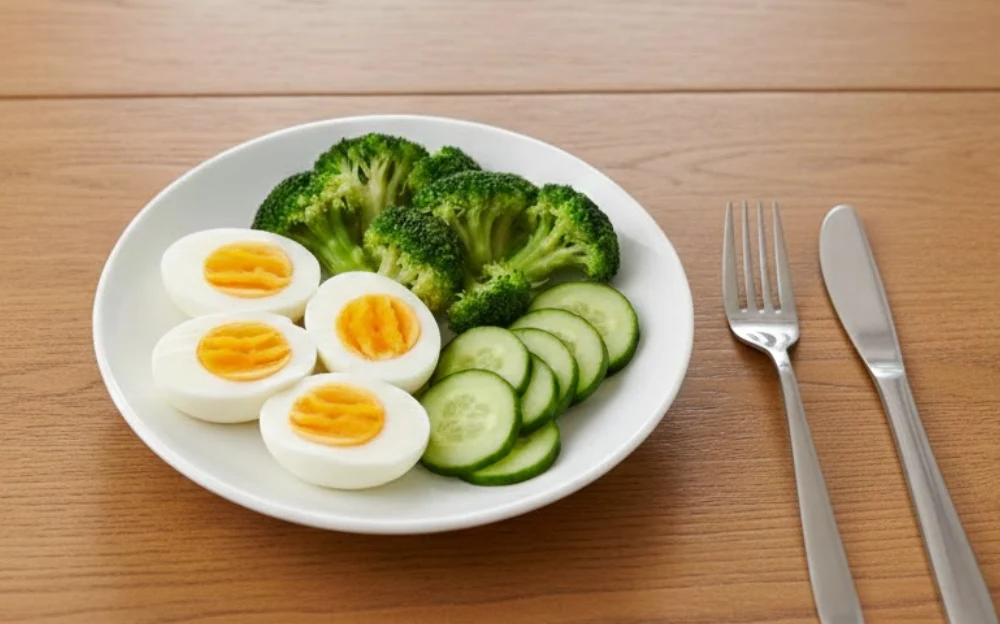
Weight loss does not always require a complicated diet, an intense workout schedule, or a complete change in your daily routine. In many cases, simple habits repeated consistently can have a greater impact than extreme strategies that are difficult to maintain. The challenge is often not knowing what to do but finding practical changes that fit naturally into everyday life.

A sustainable approach focuses on habits that can continue even when motivation is low or the schedule becomes busy. Eating balanced meals, paying attention to portions, staying active, getting enough sleep, and becoming more aware of eating patterns can all contribute to healthier weight management.
There is no single habit that guarantees weight loss. Instead, several small behaviors can work together over time. The following strategies focus on realistic changes that can become part of an ordinary lifestyle without making food and exercise unnecessarily complicated.
Start With One Change at a Time
Trying to change everything at once can make weight loss feel overwhelming.
Someone might decide to completely change their diet, exercise every day, stop eating favorite foods, and track every calorie simultaneously. While enthusiasm can be useful at the beginning, maintaining several major changes can become difficult.
A simpler strategy is to choose one habit and practice it consistently.
For example, you could start by drinking more water, adding a daily walk, or including vegetables with one meal each day. Once that behavior becomes comfortable, another habit can be added.
This gradual process reduces pressure and makes it easier to identify which changes are actually helping.
Eat More Mindfully
Mindful eating means paying attention to what and how you eat rather than consuming meals automatically.
Eating while distracted by television, phones, or other activities can make it harder to notice fullness. Slowing down and focusing on the meal may help you recognize hunger and satisfaction signals more clearly.
Try eating at a reasonable pace and taking time between bites.
You do not need to make every meal a formal mindfulness exercise. Simply reducing distractions and becoming more aware of your food can be a useful first step.
Keep Portions Reasonable
Portion size can have a major influence on total calorie intake.
Even nutritious foods provide energy, and regularly eating portions larger than your body’s needs can make weight management more difficult.
You do not necessarily need to weigh every food. Learning what a reasonable portion looks like can be enough for many people.
Using smaller serving dishes, starting with moderate portions, and taking additional food only when genuinely hungry can create greater awareness.
The goal is not to eat as little as possible. It is to find portions that provide enough food without regularly exceeding your energy needs.
Add Vegetables to More Meals
Vegetables can make meals more filling while providing fiber, vitamins, minerals, and other nutrients.
Adding vegetables does not require completely changing your favorite meals.
You might add tomatoes, cucumbers, spinach, peppers, carrots, or other vegetables to breakfast or lunch. At dinner, vegetables can become part of the main meal rather than an afterthought.
Different vegetables provide different nutrients, so variety can be useful.
Increasing vegetable intake can also help create meals with greater volume without relying entirely on calorie dense foods.
Include Protein Regularly
Protein plays an important role in a balanced diet and can contribute to feelings of fullness.
Common sources include eggs, fish, poultry, lean meats, yogurt, milk, beans, lentils, tofu, nuts, and seeds.
Including a protein source in meals can make the meal more satisfying.
For example, breakfast might include eggs or yogurt, lunch could contain beans or chicken, and dinner could include fish, lentils, or another suitable protein source.
The appropriate amount depends on individual needs, so the goal should be balance rather than excessive protein consumption.
Drink Water More Often
Sometimes people consume calories through beverages without realizing how much they contribute to daily intake.
Soft drinks, sweetened tea, flavored coffees, energy drinks, and other sugary beverages can add considerable energy.
Making water a regular choice can reduce unnecessary calorie intake for people who frequently consume sweetened drinks.
Water also supports normal hydration.
You can keep a bottle nearby during work or travel to make drinking water more convenient.
This is a small habit, but replacing even one high calorie beverage each day can make a meaningful difference over time for some people.
Walk More During the Day
Walking is one of the easiest ways to increase daily physical activity.
It does not require expensive equipment or a gym membership.
You can walk during breaks, take a short evening stroll, walk while making phone calls, or choose to walk for nearby errands when practical.
Increasing daily steps gradually can make physical activity feel less demanding.
The goal is not necessarily to reach a specific number immediately. Start from your current activity level and build from there.
Regular walking can also support cardiovascular fitness and general mobility.
Take the Stairs When Practical
Choosing stairs instead of elevators is another simple way to add movement.
Stair climbing requires more effort than walking on a flat surface, so it can increase physical activity during ordinary routines.
It may only take a few minutes, but repeated choices throughout the week can add up.
This habit is not appropriate for everyone. People with certain physical limitations should choose activities that are safe and suitable for their circumstances.
For those who can comfortably use stairs, it can be an easy opportunity to move more without scheduling a separate workout.
Reduce Mindless Snacking
Snacking is not automatically unhealthy, but eating without paying attention can make it easier to consume more calories than intended.
Mindless eating may happen while watching television, working at a computer, browsing social media, or simply because food is readily available.
Before reaching for a snack, consider whether you are actually hungry.
If you are hungry, choose a satisfying option that fits your eating pattern. If you are simply bored or distracted, another activity may be more helpful.
The goal is awareness rather than eliminating snacks completely.
Keep Nutritious Foods Available
Your environment can strongly influence your food choices.
When nutritious foods are easy to access, choosing them requires less effort.
Keep fruits, vegetables, yogurt, eggs, whole grains, nuts, or other preferred foods available according to your dietary needs.
At the same time, storing highly tempting snacks out of immediate reach can reduce automatic eating.
This does not mean banning favorite foods. It simply creates an environment where nutritious choices become convenient.
Eat Without Rushing
Eating too quickly can make it difficult to recognize when you have had enough.
Giving yourself more time to eat allows your attention to remain on the meal.
Put down your utensils occasionally, chew thoroughly, and pause when appropriate.
You do not need to eat extremely slowly. The goal is simply to avoid rushing through meals.
This habit can also make eating more enjoyable because you have more opportunity to notice flavors, textures, and satisfaction.
Prepare Food at Home More Often
Cooking at home can make it easier to understand what goes into your meals.
Restaurant and takeaway foods can vary considerably in portion size, cooking methods, sauces, and added ingredients.
Preparing meals yourself gives you greater control over portions and ingredients.
You do not need to cook complicated recipes every day.
Simple meals such as grilled protein with vegetables, rice with beans and salad, or a balanced sandwich can be practical options.
Meal preparation can also save time when ingredients are prepared in advance.
Avoid Drinking Too Many Calories
Liquid calories can sometimes be overlooked because they may not create the same level of fullness as solid food.
If sweetened beverages are a regular part of your day, gradually reducing them may be easier than eliminating everything immediately.
You could replace one sugary drink with water or an unsweetened alternative.
Over time, your overall intake may decrease without requiring major changes to meals.
This strategy is particularly useful when beverages contribute a significant portion of daily calorie intake.
Get Enough Sleep
Sleep is an important part of a healthy lifestyle.
When sleep is consistently poor, maintaining healthy eating and exercise habits can become more challenging.
Tiredness may reduce motivation to exercise and can influence appetite and food choices.
Try to establish a consistent sleeping routine.
Going to bed and waking up at similar times can help create structure. A comfortable sleeping environment and a relaxing evening routine may also support better rest.
Sleep should not be viewed as a weight loss treatment by itself, but adequate rest can support other healthy behaviors.
Manage Stress Without Always Turning to Food
Food can become a source of comfort during stressful periods.
Occasional emotional eating is common, but relying on food whenever stress occurs can make weight management more difficult.
Develop alternative ways to deal with stressful moments.
A short walk, conversation with a friend, music, reading, stretching, or a relaxing hobby can provide a different outlet.
The objective is not to eliminate emotional eating completely. Instead, become more aware of when stress rather than physical hunger is influencing food choices.
Keep Your Exercise Routine Realistic
Exercise plans often fail because they are too demanding.
If you are currently inactive, deciding to exercise intensely every day may be unrealistic.
Start with a routine that fits your current ability.
You might begin with short walks or a few simple strength exercises several times per week.
As your fitness improves, you can gradually increase duration, intensity, or variety.
A moderate routine that you follow consistently is usually more useful than an ambitious routine that lasts only a few days.
Do Not Completely Ban Your Favorite Foods
Strict food rules can make a diet feel restrictive.
When people believe certain foods are completely forbidden, they may become more focused on those foods.
A flexible approach allows favorite foods to appear occasionally while keeping overall nutrition and calorie intake in mind.
For example, a dessert can be enjoyed as part of an otherwise balanced eating pattern.
The important factor is frequency and portion size rather than declaring individual foods completely unacceptable.
Pay Attention to Your Eating Environment
Where and how you eat can influence your behavior.
Eating directly from a large package can make it difficult to notice how much has been consumed.
Serving food onto a plate or bowl can create a clearer visual portion.
Keeping meals away from the television or computer may also reduce distracted eating.
Small environmental changes can reduce automatic habits without requiring constant willpower.
Track Your Progress in a Simple Way
Tracking can provide useful information, but it does not have to become complicated.
Some people may prefer recording their food intake, while others may monitor body weight, daily steps, workouts, or specific habits.
Choose a method that feels manageable.
If tracking becomes stressful, simplify it.
The purpose is to understand patterns and identify opportunities for improvement, not to create anxiety around food.
Accept Normal Weight Fluctuations
Body weight can change from day to day for many reasons.
Water retention, sodium intake, carbohydrate consumption, digestion, and physical activity can all affect the scale.
A temporary increase does not necessarily mean that body fat has increased.
Instead of reacting to every daily change, look at trends over several weeks.
This can provide a more realistic picture and prevent unnecessary changes to your routine.
Return to Your Routine After Setbacks
Everyone experiences days when healthy habits become difficult.
You may eat more than planned at a celebration, skip exercise because of a busy schedule, or spend several days outside your normal routine.
One setback does not cancel previous progress.
The most useful response is to return to your regular habits at the next opportunity.
Avoid trying to compensate with extreme restriction or excessive exercise.
Consistency is built by returning to the routine repeatedly.
Focus on Habits You Can Maintain
The most valuable weight loss habits are usually the ones that can continue after reaching a desired weight.
If you depend on extreme restrictions to lose weight, maintaining the result may become difficult.
Instead, focus on habits that can remain part of everyday life.
Regular movement, balanced meals, reasonable portions, sufficient sleep, hydration, and mindful eating can continue regardless of whether you are actively losing weight.
This makes weight management a lifestyle rather than a temporary project.
Make Progress Without Chasing Perfection
Simple weight loss habits can matter because they are repeated frequently.
Drinking more water once will not transform your health. Taking one walk will not create a major change overnight. Eating one balanced meal will not determine your long term results.
The difference comes from repeating these behaviors consistently.
Choose a few habits that feel realistic and allow them to become normal parts of your day. Once they feel automatic, build on them gradually.
Long term weight management does not require perfection. It requires patience, awareness, and a willingness to keep moving forward after imperfect days.
The most effective strategy is often surprisingly simple. Eat balanced meals, pay attention to portions, stay active, sleep well, manage stress, and create an environment that supports healthier choices. These habits may seem ordinary, but when practiced consistently, they can provide a strong foundation for lasting weight management and a more balanced lifestyle.
Weight loss does not always require a complicated diet, an intense workout schedule, or a complete change in your daily routine. In many cases, simple habits repeated consistently can have a greater impact than extreme strategies that are difficult to maintain. The challenge is often not knowing what to do but finding practical changes that fit naturally into everyday life.
A sustainable approach focuses on habits that can continue even when motivation is low or the schedule becomes busy. Eating balanced meals, paying attention to portions, staying active, getting enough sleep, and becoming more aware of eating patterns can all contribute to healthier weight management.
There is no single habit that guarantees weight loss. Instead, several small behaviors can work together over time. The following strategies focus on realistic changes that can become part of an ordinary lifestyle without making food and exercise unnecessarily complicated.
Start With One Change at a Time
Trying to change everything at once can make weight loss feel overwhelming.
Someone might decide to completely change their diet, exercise every day, stop eating favorite foods, and track every calorie simultaneously. While enthusiasm can be useful at the beginning, maintaining several major changes can become difficult.
A simpler strategy is to choose one habit and practice it consistently.
For example, you could start by drinking more water, adding a daily walk, or including vegetables with one meal each day. Once that behavior becomes comfortable, another habit can be added.
This gradual process reduces pressure and makes it easier to identify which changes are actually helping.
Eat More Mindfully
Mindful eating means paying attention to what and how you eat rather than consuming meals automatically.
Eating while distracted by television, phones, or other activities can make it harder to notice fullness. Slowing down and focusing on the meal may help you recognize hunger and satisfaction signals more clearly.
Try eating at a reasonable pace and taking time between bites.
You do not need to make every meal a formal mindfulness exercise. Simply reducing distractions and becoming more aware of your food can be a useful first step.
Keep Portions Reasonable
Portion size can have a major influence on total calorie intake.
Even nutritious foods provide energy, and regularly eating portions larger than your body’s needs can make weight management more difficult.
You do not necessarily need to weigh every food. Learning what a reasonable portion looks like can be enough for many people.
Using smaller serving dishes, starting with moderate portions, and taking additional food only when genuinely hungry can create greater awareness.
The goal is not to eat as little as possible. It is to find portions that provide enough food without regularly exceeding your energy needs.
Add Vegetables to More Meals
Vegetables can make meals more filling while providing fiber, vitamins, minerals, and other nutrients.
Adding vegetables does not require completely changing your favorite meals.
You might add tomatoes, cucumbers, spinach, peppers, carrots, or other vegetables to breakfast or lunch. At dinner, vegetables can become part of the main meal rather than an afterthought.
Different vegetables provide different nutrients, so variety can be useful.
Increasing vegetable intake can also help create meals with greater volume without relying entirely on calorie dense foods.
Include Protein Regularly
Protein plays an important role in a balanced diet and can contribute to feelings of fullness.
Common sources include eggs, fish, poultry, lean meats, yogurt, milk, beans, lentils, tofu, nuts, and seeds.
Including a protein source in meals can make the meal more satisfying.
For example, breakfast might include eggs or yogurt, lunch could contain beans or chicken, and dinner could include fish, lentils, or another suitable protein source.
The appropriate amount depends on individual needs, so the goal should be balance rather than excessive protein consumption.
Drink Water More Often
Sometimes people consume calories through beverages without realizing how much they contribute to daily intake.
Soft drinks, sweetened tea, flavored coffees, energy drinks, and other sugary beverages can add considerable energy.
Making water a regular choice can reduce unnecessary calorie intake for people who frequently consume sweetened drinks.
Water also supports normal hydration.
You can keep a bottle nearby during work or travel to make drinking water more convenient.
This is a small habit, but replacing even one high calorie beverage each day can make a meaningful difference over time for some people.
Walk More During the Day
Walking is one of the easiest ways to increase daily physical activity.
It does not require expensive equipment or a gym membership.
You can walk during breaks, take a short evening stroll, walk while making phone calls, or choose to walk for nearby errands when practical.
Increasing daily steps gradually can make physical activity feel less demanding.
The goal is not necessarily to reach a specific number immediately. Start from your current activity level and build from there.
Regular walking can also support cardiovascular fitness and general mobility.
Take the Stairs When Practical
Choosing stairs instead of elevators is another simple way to add movement.
Stair climbing requires more effort than walking on a flat surface, so it can increase physical activity during ordinary routines.
It may only take a few minutes, but repeated choices throughout the week can add up.
This habit is not appropriate for everyone. People with certain physical limitations should choose activities that are safe and suitable for their circumstances.
For those who can comfortably use stairs, it can be an easy opportunity to move more without scheduling a separate workout.
Reduce Mindless Snacking
Snacking is not automatically unhealthy, but eating without paying attention can make it easier to consume more calories than intended.
Mindless eating may happen while watching television, working at a computer, browsing social media, or simply because food is readily available.
Before reaching for a snack, consider whether you are actually hungry.
If you are hungry, choose a satisfying option that fits your eating pattern. If you are simply bored or distracted, another activity may be more helpful.
The goal is awareness rather than eliminating snacks completely.
Keep Nutritious Foods Available
Your environment can strongly influence your food choices.
When nutritious foods are easy to access, choosing them requires less effort.
Keep fruits, vegetables, yogurt, eggs, whole grains, nuts, or other preferred foods available according to your dietary needs.
At the same time, storing highly tempting snacks out of immediate reach can reduce automatic eating.
This does not mean banning favorite foods. It simply creates an environment where nutritious choices become convenient.
Eat Without Rushing
Eating too quickly can make it difficult to recognize when you have had enough.
Giving yourself more time to eat allows your attention to remain on the meal.
Put down your utensils occasionally, chew thoroughly, and pause when appropriate.
You do not need to eat extremely slowly. The goal is simply to avoid rushing through meals.
This habit can also make eating more enjoyable because you have more opportunity to notice flavors, textures, and satisfaction.
Prepare Food at Home More Often
Cooking at home can make it easier to understand what goes into your meals.
Restaurant and takeaway foods can vary considerably in portion size, cooking methods, sauces, and added ingredients.
Preparing meals yourself gives you greater control over portions and ingredients.
You do not need to cook complicated recipes every day.
Simple meals such as grilled protein with vegetables, rice with beans and salad, or a balanced sandwich can be practical options.
Meal preparation can also save time when ingredients are prepared in advance.
Avoid Drinking Too Many Calories
Liquid calories can sometimes be overlooked because they may not create the same level of fullness as solid food.
If sweetened beverages are a regular part of your day, gradually reducing them may be easier than eliminating everything immediately.
You could replace one sugary drink with water or an unsweetened alternative.
Over time, your overall intake may decrease without requiring major changes to meals.
This strategy is particularly useful when beverages contribute a significant portion of daily calorie intake.
Get Enough Sleep
Sleep is an important part of a healthy lifestyle.
When sleep is consistently poor, maintaining healthy eating and exercise habits can become more challenging.
Tiredness may reduce motivation to exercise and can influence appetite and food choices.
Try to establish a consistent sleeping routine.
Going to bed and waking up at similar times can help create structure. A comfortable sleeping environment and a relaxing evening routine may also support better rest.
Sleep should not be viewed as a weight loss treatment by itself, but adequate rest can support other healthy behaviors.
Manage Stress Without Always Turning to Food
Food can become a source of comfort during stressful periods.
Occasional emotional eating is common, but relying on food whenever stress occurs can make weight management more difficult.
Develop alternative ways to deal with stressful moments.
A short walk, conversation with a friend, music, reading, stretching, or a relaxing hobby can provide a different outlet.
The objective is not to eliminate emotional eating completely. Instead, become more aware of when stress rather than physical hunger is influencing food choices.
Keep Your Exercise Routine Realistic
Exercise plans often fail because they are too demanding.
If you are currently inactive, deciding to exercise intensely every day may be unrealistic.
Start with a routine that fits your current ability.
You might begin with short walks or a few simple strength exercises several times per week.
As your fitness improves, you can gradually increase duration, intensity, or variety.
A moderate routine that you follow consistently is usually more useful than an ambitious routine that lasts only a few days.
Do Not Completely Ban Your Favorite Foods
Strict food rules can make a diet feel restrictive.
When people believe certain foods are completely forbidden, they may become more focused on those foods.
A flexible approach allows favorite foods to appear occasionally while keeping overall nutrition and calorie intake in mind.
For example, a dessert can be enjoyed as part of an otherwise balanced eating pattern.
The important factor is frequency and portion size rather than declaring individual foods completely unacceptable.
Pay Attention to Your Eating Environment
Where and how you eat can influence your behavior.
Eating directly from a large package can make it difficult to notice how much has been consumed.
Serving food onto a plate or bowl can create a clearer visual portion.
Keeping meals away from the television or computer may also reduce distracted eating.
Small environmental changes can reduce automatic habits without requiring constant willpower.
Track Your Progress in a Simple Way
Tracking can provide useful information, but it does not have to become complicated.
Some people may prefer recording their food intake, while others may monitor body weight, daily steps, workouts, or specific habits.
Choose a method that feels manageable.
If tracking becomes stressful, simplify it.
The purpose is to understand patterns and identify opportunities for improvement, not to create anxiety around food.
Accept Normal Weight Fluctuations
Body weight can change from day to day for many reasons.
Water retention, sodium intake, carbohydrate consumption, digestion, and physical activity can all affect the scale.
A temporary increase does not necessarily mean that body fat has increased.
Instead of reacting to every daily change, look at trends over several weeks.
This can provide a more realistic picture and prevent unnecessary changes to your routine.
Return to Your Routine After Setbacks
Everyone experiences days when healthy habits become difficult.
You may eat more than planned at a celebration, skip exercise because of a busy schedule, or spend several days outside your normal routine.
One setback does not cancel previous progress.
The most useful response is to return to your regular habits at the next opportunity.
Avoid trying to compensate with extreme restriction or excessive exercise.
Consistency is built by returning to the routine repeatedly.
Focus on Habits You Can Maintain
The most valuable weight loss habits are usually the ones that can continue after reaching a desired weight.
If you depend on extreme restrictions to lose weight, maintaining the result may become difficult.
Instead, focus on habits that can remain part of everyday life.
Regular movement, balanced meals, reasonable portions, sufficient sleep, hydration, and mindful eating can continue regardless of whether you are actively losing weight.
This makes weight management a lifestyle rather than a temporary project.
Make Progress Without Chasing Perfection
Simple weight loss habits can matter because they are repeated frequently.
Drinking more water once will not transform your health. Taking one walk will not create a major change overnight. Eating one balanced meal will not determine your long term results.
The difference comes from repeating these behaviors consistently.
Choose a few habits that feel realistic and allow them to become normal parts of your day. Once they feel automatic, build on them gradually.
Long term weight management does not require perfection. It requires patience, awareness, and a willingness to keep moving forward after imperfect days.
The most effective strategy is often surprisingly simple. Eat balanced meals, pay attention to portions, stay active, sleep well, manage stress, and create an environment that supports healthier choices. These habits may seem ordinary, but when practiced consistently, they can provide a strong foundation for lasting weight management and a more balanced lifestyle.