Weight loss can become much easier when healthy choices are designed around real life rather than an unrealistic routine. Many people start with strict meal plans, demanding workouts, and complicated rules, only to discover that these methods are difficult to continue when work, family responsibilities, travel, social events, or unexpected situations interrupt the schedule.

A practical approach looks different. It focuses on simple decisions that can be repeated throughout the week. Choosing balanced meals, controlling portions, walking more, staying hydrated, getting enough sleep, and preparing food in advance can all support healthier weight management without requiring a completely different lifestyle.
The purpose of practical weight loss is not to make every day perfect. It is to create habits that still work when motivation changes. A strategy that fits naturally into everyday life has a better chance of becoming a long-term habit.
Understand What You Are Trying to Change
Before making major changes, it helps to understand your current routine.
Look at how often you eat, what you usually drink, how much you move, and when you tend to snack. You may discover that only a few habits are contributing significantly to your calorie intake.
For example, someone might eat reasonably balanced meals but consume several sugary beverages every day. Another person may have healthy meals but regularly take very large portions.
Identifying the main areas for improvement allows you to focus your effort where it is most useful.
Set a Manageable Goal
A practical weight loss plan begins with a goal that fits your circumstances.
Trying to achieve dramatic changes immediately can create unnecessary pressure. A smaller goal can provide a clearer path and make progress easier to recognize.
You can also create goals that are not based entirely on body weight.
Walking regularly, cooking more meals at home, reducing sugary drinks, eating more vegetables, or improving sleep can all be useful behavioral goals.
Once these habits become consistent, they can contribute to broader improvements in weight management.
Build Meals Around Nutritious Foods
The foundation of a practical eating pattern is balanced food.
Vegetables, fruits, whole grains, legumes, protein-rich foods, and suitable sources of dietary fats can provide a wide range of nutrients.
A balanced plate does not have to look identical every day.
One meal might contain grilled chicken, vegetables, and rice. Another could include beans, whole grains, and salad. Breakfast might include eggs, fruit, and whole grain toast.
Variety can make healthy eating more enjoyable and prevent the diet from feeling repetitive.
Make Portion Control Easier
Portion sizes can influence calorie intake even when food choices are nutritious.
You do not have to eliminate your favorite meals. Instead, consider whether the portions are appropriate for your needs.
Using a normal-sized plate, serving food before sitting down to eat, and avoiding repeated servings out of habit can help create greater awareness.
You can also pay attention to how hungry you feel before taking more food.
Portion control should not mean eating too little. It means finding an amount that fits your energy requirements while leaving you adequately nourished.
Keep Protein in Your Meals
Protein can help create satisfying meals and supports the maintenance of body tissues.
Useful sources include eggs, fish, poultry, lean meats, yogurt, milk, beans, lentils, tofu, nuts, and seeds.
Including a suitable protein source at meals can make it easier to remain satisfied between meals.
People who exercise regularly may have different protein requirements from those who are less active.
Rather than focusing on extremely high protein intake, aim for a balanced diet that includes appropriate protein throughout the day.
Increase Your Vegetable Intake
Vegetables can provide fiber, vitamins, minerals, and plenty of food volume.
Adding more vegetables can make meals feel substantial without relying heavily on calorie-dense foods.
You can include vegetables in soups, salads, sandwiches, rice dishes, omelets, curries, or side dishes.
Frozen vegetables can also be useful when fresh produce is not convenient.
There is no need to eat the same vegetables every day. Choosing different varieties can make meals more interesting and provide a broader range of nutrients.
Choose Drinks Carefully
Beverages can have a surprisingly large effect on calorie intake.
Sweetened sodas, flavored coffees, energy drinks, and other sugary beverages can provide considerable amounts of energy while being relatively easy to consume.
Water is a simple choice for hydration.
If you regularly drink sweetened beverages, replacing some of them with water or unsweetened alternatives can be an achievable first step.
You do not need to make every beverage choice perfect. Simply becoming aware of what you drink can reveal opportunities to reduce unnecessary calories.
Keep Healthy Snacks Convenient
Hunger between meals is normal, and snacks can fit into a balanced diet.
The challenge is choosing snacks that satisfy you without making it difficult to manage overall calorie intake.
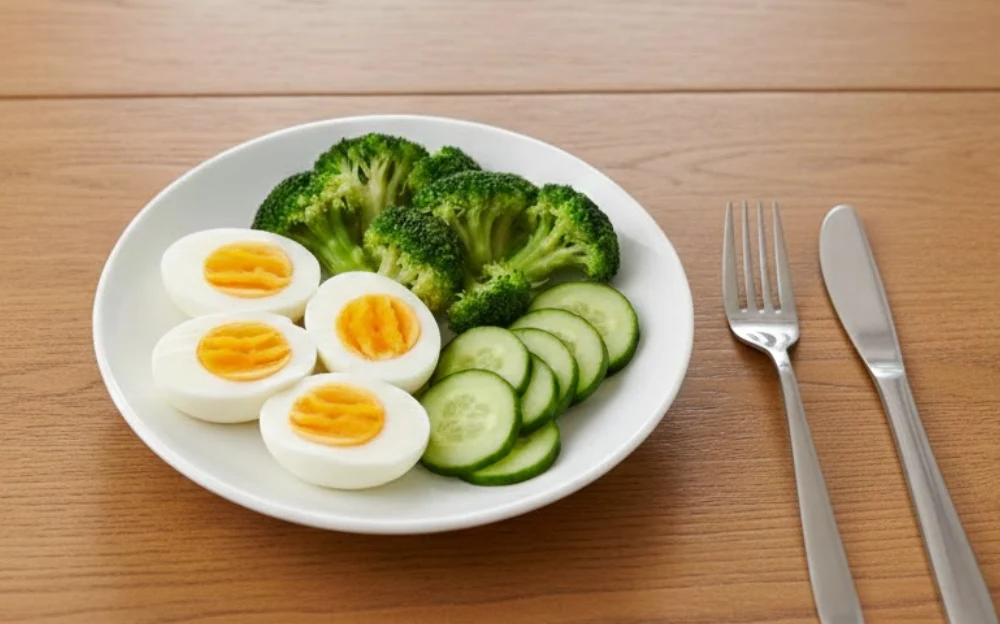
Fruit, yogurt, boiled eggs, nuts, vegetables, or other preferred nutritious options can provide practical choices.
Keeping these foods readily available can reduce the temptation to rely on whatever snack happens to be closest.
At the same time, favorite treats can still be included occasionally. A sustainable approach does not require completely eliminating enjoyable foods.
Prepare Food Before You Need It
Meal preparation can make healthy choices much easier during busy days.
You can prepare ingredients ahead of time instead of cooking every meal from scratch.
For example, vegetables can be washed and chopped, protein sources can be prepared in advance, and grains can be cooked for several meals.
Even preparing one or two meals ahead can reduce reliance on takeaway food when the day becomes hectic.
The goal is convenience.
Healthy food should be easy enough to choose when you are tired, busy, or short on time.
Walk Whenever It Fits Your Day
Walking is a practical form of physical activity because it can be included in many schedules.
You might walk during a lunch break, take an evening stroll, walk to nearby destinations, or move around while talking on the phone.
You do not need to begin with a long walking routine.
If you currently spend most of the day sitting, adding several short walks can be a useful starting point.
As your fitness improves, you can gradually increase your walking time or pace.
Make Everyday Movement Count
Exercise is valuable, but movement outside formal workouts also matters.
Cleaning the house, gardening, shopping, taking stairs, standing during breaks, and moving around at work can contribute to overall daily activity.
These actions may seem too small to matter, but repeated movement can contribute to energy expenditure across the day.
Instead of thinking that activity only counts when you are wearing workout clothes, consider the entire day.
A more active lifestyle can develop through many small decisions.
Find Physical Activities You Enjoy
A workout routine is easier to maintain when you actually enjoy doing it.
Some people prefer walking or cycling. Others enjoy swimming, strength training, dancing, sports, hiking, or group activities.
There is no requirement to choose one specific exercise.
Experiment with different activities until you find options that fit your interests and physical abilities.
Enjoyment can improve consistency because the activity becomes something you want to do rather than something you feel forced to complete.
Add Strength Training
Resistance exercise can be useful for people trying to improve their overall fitness while managing weight.
Strength training can include bodyweight exercises, resistance bands, free weights, or gym machines.
Exercises such as squats, rows, presses, lunges, and other movements can help develop strength.
Beginners should start at an appropriate level and focus on learning proper movement rather than immediately using heavy resistance.
A gradual approach can make strength training more comfortable and sustainable.
Avoid Long Periods of Sitting
Many modern routines involve spending several hours sitting.
If your work requires prolonged sitting, short movement breaks can help increase activity.
Stand up periodically, walk around the room, stretch, or perform a brief household task.
These breaks may only take a few minutes, but they can interrupt long periods of inactivity.
You do not need to turn every break into a workout. The objective is simply to create more movement throughout the day.
Eat More Slowly
Eating quickly can make it difficult to notice when you are becoming satisfied.
Slowing down gives you more time to pay attention to the meal.
Try putting utensils down occasionally, chewing properly, and taking short pauses during meals.
This does not require counting how many times you chew or following a complicated method.
Simply giving yourself enough time to eat can make meals more intentional and enjoyable.
Reduce Distracted Eating
Eating while watching television, working, gaming, or scrolling through your phone can make it easier to lose track of portions.
When attention is focused elsewhere, you may continue eating without noticing how much has already been consumed.
Try having at least some meals without major distractions.
This allows you to pay greater attention to hunger and fullness.
You do not have to eat every meal in complete silence. The goal is simply to become more aware of your eating habits.
Get Better Sleep
Sleep should not be overlooked when creating a weight management routine.
Poor sleep can affect energy, appetite, mood, and motivation.
Someone who is consistently tired may find it harder to prepare meals or exercise regularly.
A consistent bedtime and wake time can help establish a healthier routine.
Creating a comfortable sleeping environment and allowing enough time for rest can also support better sleep habits.
Good sleep is not a replacement for nutrition and physical activity, but it can make healthy choices easier to maintain.
Handle Stress Without Relying Only on Food
Stress can influence eating habits.
Some people eat more when they feel overwhelmed, while others may skip meals.
Finding other ways to manage stress can make a weight loss routine more stable.
Walking, reading, talking with someone you trust, listening to music, stretching, spending time outdoors, or enjoying a hobby can provide useful alternatives.
The objective is not to remove every stressful situation. Instead, develop several ways to respond to stress.
Allow Flexibility for Social Events
A practical diet must work outside the home too.
Restaurants, family gatherings, celebrations, and holidays are normal parts of life.
Trying to avoid every social meal can make weight management feel unnecessarily restrictive.
Instead, focus on reasonable portions and balanced choices when possible.
You can enjoy foods you like without assuming that one meal will destroy your progress.
Returning to your normal routine afterward is more important than trying to compensate with extreme restriction.
Learn From Your Eating Patterns
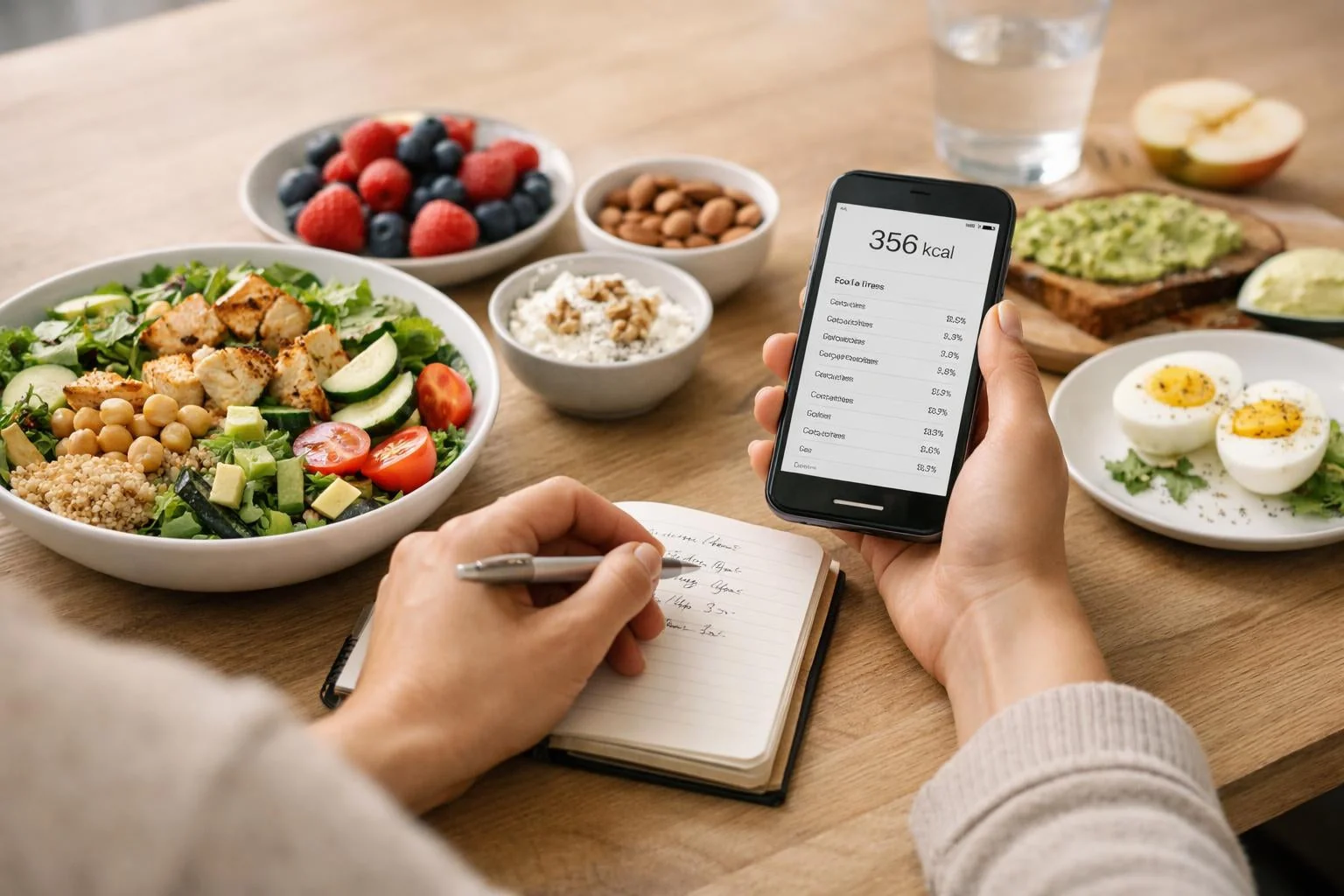
Keeping a simple record of meals can help identify habits that are easy to overlook.
You might notice that snacks increase during certain times of the day or that you tend to eat more when working late.
You do not necessarily need to count every calorie.
Even a basic record of meals, drinks, snacks, and activity can reveal patterns.
Once you understand when and why certain habits occur, you can develop more practical solutions.
Do Not Depend Entirely on Motivation
Motivation changes.
Some days you may feel excited about exercising and preparing healthy meals. On other days, you may prefer to do nothing.
A successful routine should not depend entirely on feeling motivated.
Create systems that make healthy choices easier.
Keep nutritious foods available, prepare meals in advance, schedule movement into your day, and choose activities that do not require excessive effort to begin.
When healthy behaviors become routine, you do not need to make the decision from scratch every day.
Expect Imperfect Days
No weight loss plan works perfectly every day.
There may be days when you eat more than planned or do not exercise.
This does not mean your entire strategy has failed.
The important response is to continue with your normal routine instead of giving up.
One meal is only one part of your overall eating pattern.
One missed workout is only one part of your activity routine.
Long-term progress is influenced by what happens repeatedly over weeks and months.
Monitor Progress Over Time
Daily body weight can fluctuate because of water, food volume, sodium, carbohydrate intake, and other factors.
For this reason, a single weigh-in may not provide much useful information.
Looking at longer trends can make progress easier to understand.
You can also monitor waist measurements, clothing fit, fitness improvements, strength, walking ability, or changes in daily energy.
These additional indicators can provide a broader view of how your lifestyle is changing.
Adjust Your Plan When Necessary
A practical strategy should be flexible.
If a particular habit is consistently difficult, ask why.
Maybe the workout takes too long, the meals require too much preparation, or the calorie target leaves you excessively hungry.
Instead of abandoning the entire plan, modify the difficult part.
Shorten the workout, simplify the meal, change the schedule, or choose a different activity.
The ability to adapt is one of the most important features of a sustainable routine.
Build Habits That Can Continue
Weight loss should not be treated as a temporary project with an end date.
The habits that help you lose weight should ideally remain useful after reaching your desired goal.
Balanced meals, appropriate portions, regular activity, adequate sleep, hydration, and mindful eating can all remain part of everyday life.
This makes maintaining results more realistic because you are not returning to the exact habits that may have contributed to weight gain.
Creating a Routine That Works in Real Life
Practical weight loss strategies are often simple, but their value comes from consistency.
You do not need to transform your entire lifestyle overnight. Begin by identifying a few habits that could realistically improve your daily routine.
Prepare more meals at home, drink water more often, increase everyday movement, include protein and vegetables in meals, pay attention to portions, and create a sleep routine that supports adequate rest.
As these habits become easier, gradually introduce additional improvements.
The most useful weight loss plan is not necessarily the most restrictive one. It is the one that continues to work when life becomes busy, unpredictable, or imperfect.
By building your approach around realistic habits instead of temporary extremes, weight management can become a natural part of everyday life. Progress may take time, but consistent actions repeated over months can create a stronger foundation than short periods of intense dieting.