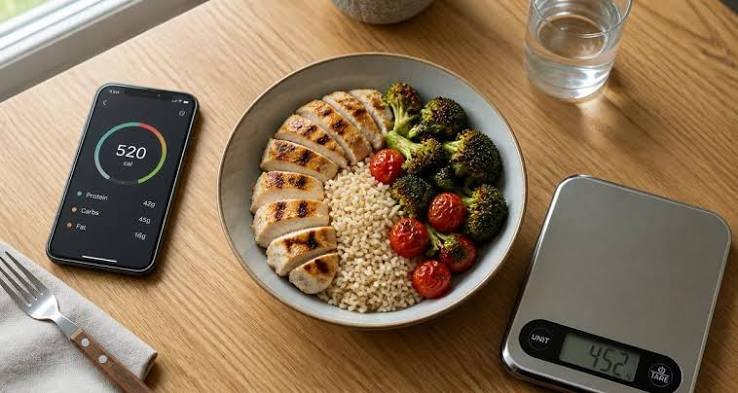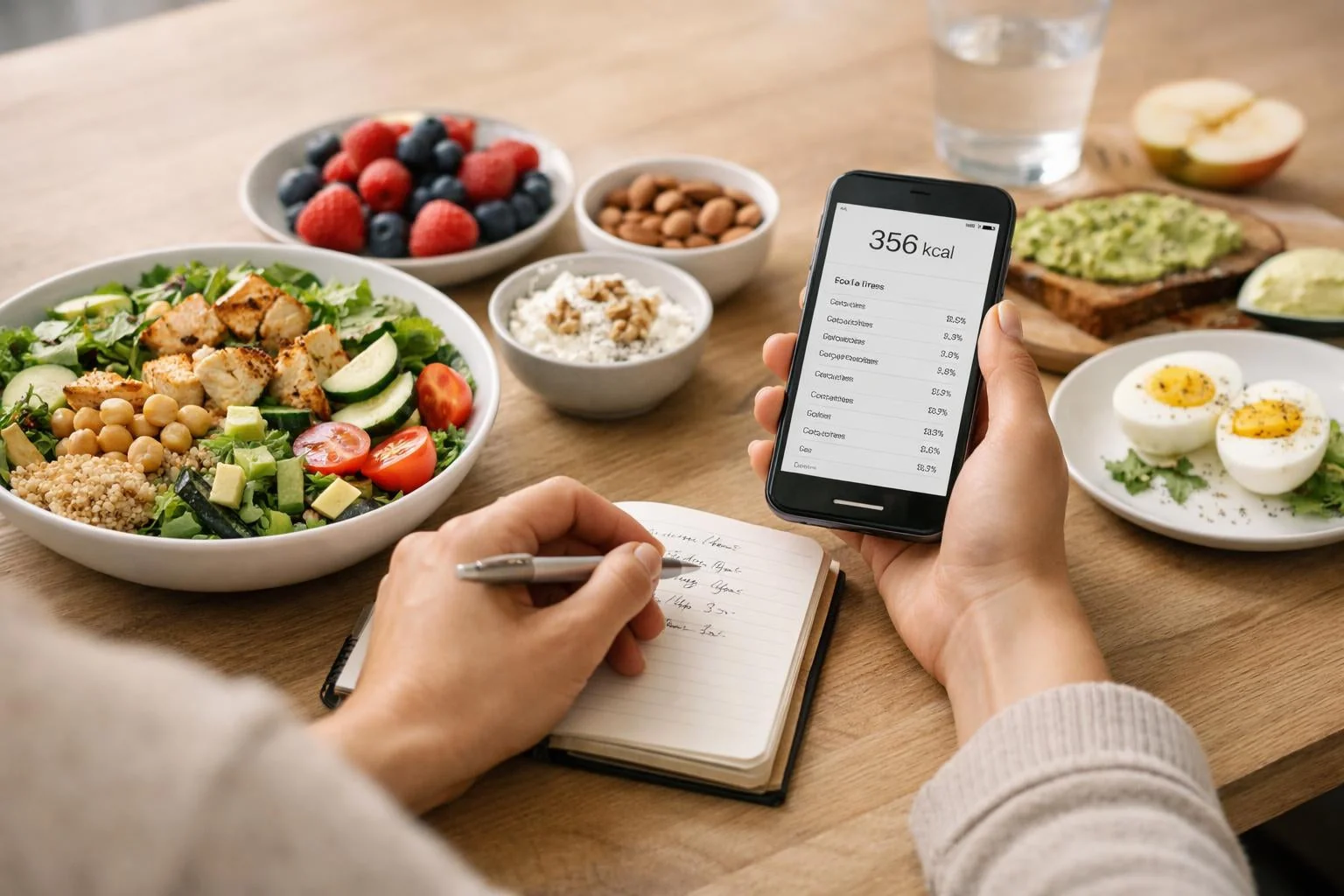
Understanding how much energy your body uses throughout the day can make calorie planning much easier. A TDEE calorie calculator provides an estimate of your total daily energy expenditure, which represents the approximate number of calories your body uses during an average day. Unlike a calculation that only considers resting metabolism, TDEE takes daily movement and physical activity into account.

Every person has different energy requirements. Someone who spends most of the day sitting may need considerably fewer calories than someone who walks frequently, exercises regularly, or performs physically demanding work. Age, height, body weight, activity level, and other personal characteristics can also influence energy expenditure.
A TDEE calculator can therefore serve as a useful starting point for understanding calorie needs. It can help with weight maintenance, weight loss, weight gain, meal planning, and general awareness of how lifestyle affects daily energy use.
What Does TDEE Mean
TDEE stands for Total Daily Energy Expenditure. It refers to the estimated amount of energy a person uses during a typical twenty-four-hour period.
This total includes more than exercise. Your body uses energy simply to remain alive, and additional energy is used for movement, digestion, work, household activities, and workouts.
TDEE is therefore broader than basal metabolic rate. BMR represents the approximate energy needed for essential functions while the body is resting, whereas TDEE considers the energy used across the entire day.
Understanding this difference is important because someone cannot determine their full calorie requirement by looking only at resting metabolism.
The Main Components of Daily Energy Expenditure
TDEE can be understood through several major components.
The first is basal metabolic rate, which represents the energy required for essential physiological functions.
The second is physical activity. This includes both planned exercise and everyday movement such as walking, climbing stairs, cleaning, shopping, and working.
Another component is the thermic effect of food. The body uses energy to digest, absorb, and process nutrients from meals.
There is also non exercise activity, which includes movements that are not formal workouts. Standing, walking around the home, changing positions, and performing routine tasks can all contribute to energy expenditure.
Together, these factors help form an estimate of total daily energy use.
How a TDEE Calculator Estimates Your Needs
A typical TDEE calculator starts by collecting personal information such as age, sex, height, and body weight.
This information is used to estimate resting energy requirements. An activity multiplier is then applied to account for movement and exercise.
The result provides an estimated daily energy expenditure.
Different calculators may use different equations and activity categories, so results can vary slightly. This does not necessarily mean that one calculator is wrong. The formulas are estimates based on population data and cannot perfectly predict the metabolism of every individual.
The most useful result is therefore a reasonable starting point that can be compared with real world progress.
Why Basal Metabolic Rate Matters
BMR forms the foundation of many TDEE calculations.
Even when you spend the day resting, your body continues using energy. Your heart pumps blood, your lungs work, your brain remains active, and your organs continue performing essential functions.
These processes require a substantial portion of daily energy expenditure.
However, BMR does not account for walking, exercise, work, digestion, or other daily activities.
This is why using BMR alone to decide how many calories you should eat may underestimate your actual daily requirements.
TDEE builds upon this resting estimate by considering activity and other energy demands.
Understanding Activity Levels
Activity level is one of the most influential parts of a TDEE calculation.
A sedentary person may spend most of the day sitting and perform very little structured exercise. A lightly active person may walk regularly and exercise occasionally.
Moderately active individuals generally engage in regular physical activity, while highly active people may combine frequent training with physically demanding work or substantial daily movement.
Selecting an activity category honestly is important.
A common mistake is choosing an activity level based only on gym sessions. Daily movement outside formal exercise also matters.
Someone who trains for an hour but spends most of the remaining day sitting may have a different TDEE from someone who is constantly moving throughout the day.
TDEE for Weight Maintenance
One of the most common reasons people use a TDEE calculator is to estimate maintenance calories.
If average calorie intake is reasonably close to average TDEE, body weight may remain relatively stable over time.
This does not mean the scale will show exactly the same number every morning. Water retention, food volume, sodium, carbohydrate intake, and other factors can cause normal fluctuations.
Maintenance is better understood as a longer term energy balance.
If body weight remains generally stable over several weeks while eating a consistent average number of calories, that intake can provide useful information about actual maintenance requirements.
Using TDEE for Weight Loss
TDEE can also provide a reference point for creating a calorie deficit.
Weight loss generally occurs when average energy intake is lower than energy expenditure over time.
A moderate reduction from estimated TDEE may provide a more practical approach than a very aggressive calorie restriction.
The exact reduction that is appropriate depends on the individual and their circumstances.
The objective should not simply be to choose the lowest possible calorie target. Adequate nutrition, energy, protein, fiber, vitamins, minerals, and other nutrients remain important.
A sustainable deficit is often easier to maintain because it leaves room for balanced meals and normal daily life.
Using TDEE for Weight Gain
TDEE can be useful for weight gain as well.
Someone trying to increase body weight may need to consume more calories than their estimated daily expenditure.
Adding calories gradually can make it easier to monitor progress.
Nutrient rich foods can help increase energy intake without relying entirely on highly processed foods. Nuts, seeds, whole grains, legumes, eggs, dairy products or suitable alternatives, fruits, and other nutritious foods can contribute useful calories.
People aiming to build muscle may also combine increased calorie intake with resistance training and sufficient protein.
The desired rate of weight gain can vary, so a personalized approach is helpful.
Why TDEE Changes Over Time
TDEE is not a permanent number.
Changes in body weight can affect energy requirements. Increasing physical activity can raise daily expenditure, while becoming less active can reduce it.
Changes in work routines can also make a difference. Someone who moves from a physically demanding job to a desk-based position may use considerably less energy each day.
Fitness routines can change as well. A person who begins regular cycling, running, swimming, or strength training may have different energy needs from someone who stops exercising.
Because of these changes, TDEE estimates may need to be reviewed periodically.
The Difference Between TDEE and Maintenance Calories
TDEE and maintenance calories are closely related, but they are not always used in exactly the same way.
TDEE is an estimate of how much energy the body expends during a day.
Maintenance calories describe an intake level that is expected to maintain body weight over time.
In practical terms, estimated TDEE can serve as a starting point for identifying maintenance calories.
However, real world results matter. If someone consistently eats around their estimated TDEE and their weight changes significantly over several weeks, their actual maintenance needs may differ from the original estimate.
How Body Weight Influences TDEE
Body weight can influence how much energy the body uses.
Moving a heavier body generally requires more energy than moving a lighter body during similar activities.
This means that as someone loses or gains weight, their estimated energy requirements may also change.
For people losing weight, a calorie target that worked at the beginning of a diet may eventually become closer to maintenance as body weight decreases.
This does not mean progress has failed. It simply reflects the fact that energy expenditure changes as the body changes.
The Importance of Everyday Movement
Formal exercise is only one part of TDEE.
Everyday movement can make a meaningful contribution to total energy expenditure.
Walking to work, standing, shopping, cleaning, gardening, cooking, taking stairs, and moving around during the day all require energy.
This is sometimes overlooked when people estimate their calorie requirements.
Increasing everyday movement can therefore be a practical way to support an active lifestyle without relying entirely on structured workouts.
Nutrition Quality Still Matters
Knowing your TDEE does not tell you exactly what foods you should eat.
Calories describe energy, but food also provides protein, carbohydrates, dietary fats, vitamins, minerals, fiber, and other nutrients.
A balanced eating pattern can include vegetables, fruits, whole grains, legumes, protein rich foods, healthy fats, and appropriate sources of dairy or alternatives.
Someone can technically reach a calorie target using foods with poor nutritional value, but that does not necessarily create a balanced diet.
TDEE should therefore be used alongside broader nutrition principles.
Why Calorie Estimates Are Not Perfect
No standard TDEE calculator can measure your exact daily energy expenditure.
Metabolism differs between individuals, and activity estimates are not always precise. Exercise intensity, body composition, movement efficiency, sleep, environmental conditions, and other factors can affect energy use.
Even fitness devices and exercise machines generally provide estimates rather than direct measurements.
For this reason, TDEE should be viewed as a useful approximation.
Real world changes in body weight and activity can provide additional information that helps refine the estimate.
How to Check Whether Your TDEE Estimate Makes Sense
One practical approach is to use the calculated number as a starting point and observe what happens over several weeks.
If your average calorie intake remains consistent and your body weight is generally stable, the estimate may be reasonably close to your maintenance needs.
If your weight consistently decreases, your actual energy expenditure may be higher than your intake.
If your weight consistently increases, your average intake may be above your actual maintenance level.
Short term changes should not be overinterpreted because water and digestion can cause temporary fluctuations.
Looking at longer trends gives a more reliable picture.
Common TDEE Calculation Mistakes
One common mistake is entering inaccurate information.
Incorrect height or weight can affect the estimate. Choosing an unrealistic activity level can also produce a misleading result.
Another mistake is assuming that the calculated number is exact and refusing to adjust it when real world results show something different.
Some people also confuse BMR with TDEE and assume their resting calorie requirement represents their full daily intake.
Finally, relying exclusively on calorie numbers can distract from food quality, exercise, sleep, and other important lifestyle factors.
A TDEE calculator works best when used as a guide rather than a rigid rule.
Creating a Practical Plan With TDEE
Once you have an estimated TDEE, you can use it to establish a general calorie strategy.
For maintenance, your average intake can remain around the estimated level.
For weight loss, a moderate calorie reduction can be considered.
For weight gain, calories can be increased gradually.
The exact approach should reflect your personal circumstances and long term goals.
Meals can then be organized around nutritious foods while allowing reasonable flexibility for preferences and social occasions.
This makes the calorie target easier to follow without turning every meal into a mathematical exercise.
When Professional Guidance Is Useful
A TDEE calculator is a general estimation tool and cannot account for every health situation.
People with medical conditions, special nutritional requirements, pregnancy, a history of eating disorders, or other significant concerns may benefit from personalized guidance from a qualified healthcare or nutrition professional.
Professional advice can consider individual factors that a general calculator cannot fully evaluate.
This can be especially important when making major changes to calorie intake or following a specialized nutrition plan.
Understanding Your Energy Needs With Greater Clarity
A TDEE calorie calculator provides a practical way to estimate how much energy your body may use throughout a typical day. By combining resting energy requirements with physical activity and other daily demands, it offers a more complete picture than a resting calorie calculation alone.
The number produced by a calculator should not be treated as an unchangeable fact. Your energy requirements can change as your body weight, activity level, lifestyle, and fitness routine change.
The most effective way to use TDEE is to treat the estimate as a starting point, follow a balanced eating pattern, monitor longer term trends, and make reasonable adjustments when necessary.
Understanding TDEE can make calorie planning less confusing and help connect food intake with everyday activity. Instead of focusing on a perfect number, the goal is to develop an approach that fits your lifestyle and supports your individual objectives over time.